
Introduction & Background
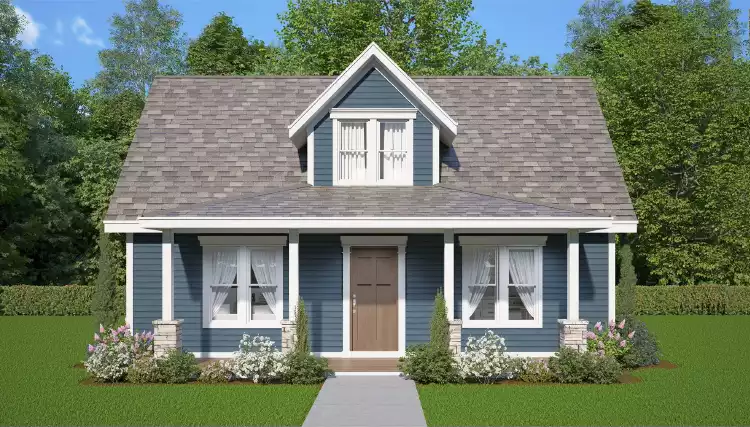
In recent years, the concept of minimalist luxury has transformed the way we perceive modern living. Homeowners and designers alike are embracing a philosophy that blends understated elegance with functional sophistication. This trend reflects a broader cultural shift toward intentionality, where less truly becomes more. Minimalist luxury is not about deprivation or stark emptiness, but rather about curating spaces that prioritize quality, clarity, and tranquility. As urban spaces grow denser and lifestyles become busier, the appeal of a home that offers both comfort and simplicity has never been stronger.
The significance of this movement extends beyond interior design. It speaks to a desire for sustainability, for homes that are easier to maintain and kinder to the environment. By reducing clutter and focusing on essential elements, minimalist luxury homes often consume fewer resources and leave a smaller carbon footprint. This approach aligns with the values of modern homeowners who seek balance between indulgence and responsibility. Whether in bustling cities or serene countryside retreats, the principles of minimalist luxury redefine what it means to live well.
Concept & Overview
Minimalist luxury is a design philosophy that marries the principles of minimalism with the refinement of high-end living. At its core, it emphasizes simplicity, functionality, and intentionality in every aspect of a home. The goal is to create spaces that feel open, uncluttered, and purposeful, while still exuding a sense of opulence. This is achieved not through excessive ornamentation or bulky furnishings, but through careful selection of materials, textures, and forms that evoke both comfort and sophistication.
This concept challenges traditional notions of luxury, which often equate grandeur with excess. Instead, minimalist luxury finds luxury in the quality of craftsmanship, the purity of lines, and the harmony of elements. It is about investing in pieces that are timeless and versatile, rather than trend-driven or disposable. The result is a living space that feels both current and enduring, where every object has its place and purpose. This approach fosters a sense of calm and clarity, allowing the inhabitants to focus on what truly matters.
Another defining feature of minimalist luxury is its adaptability. It does not adhere to a single style, but rather draws inspiration from various design movements, including Scandinavian, Japanese, and mid-century modern. These influences contribute to a clean aesthetic that feels both welcoming and exclusive. The key is to balance restraint with personality, ensuring the space feels lived-in yet refined. By stripping away the unnecessary, minimalist luxury homes highlight the beauty of the essential, creating an atmosphere that is both luxurious and deeply personal.
Key Features & Highlights
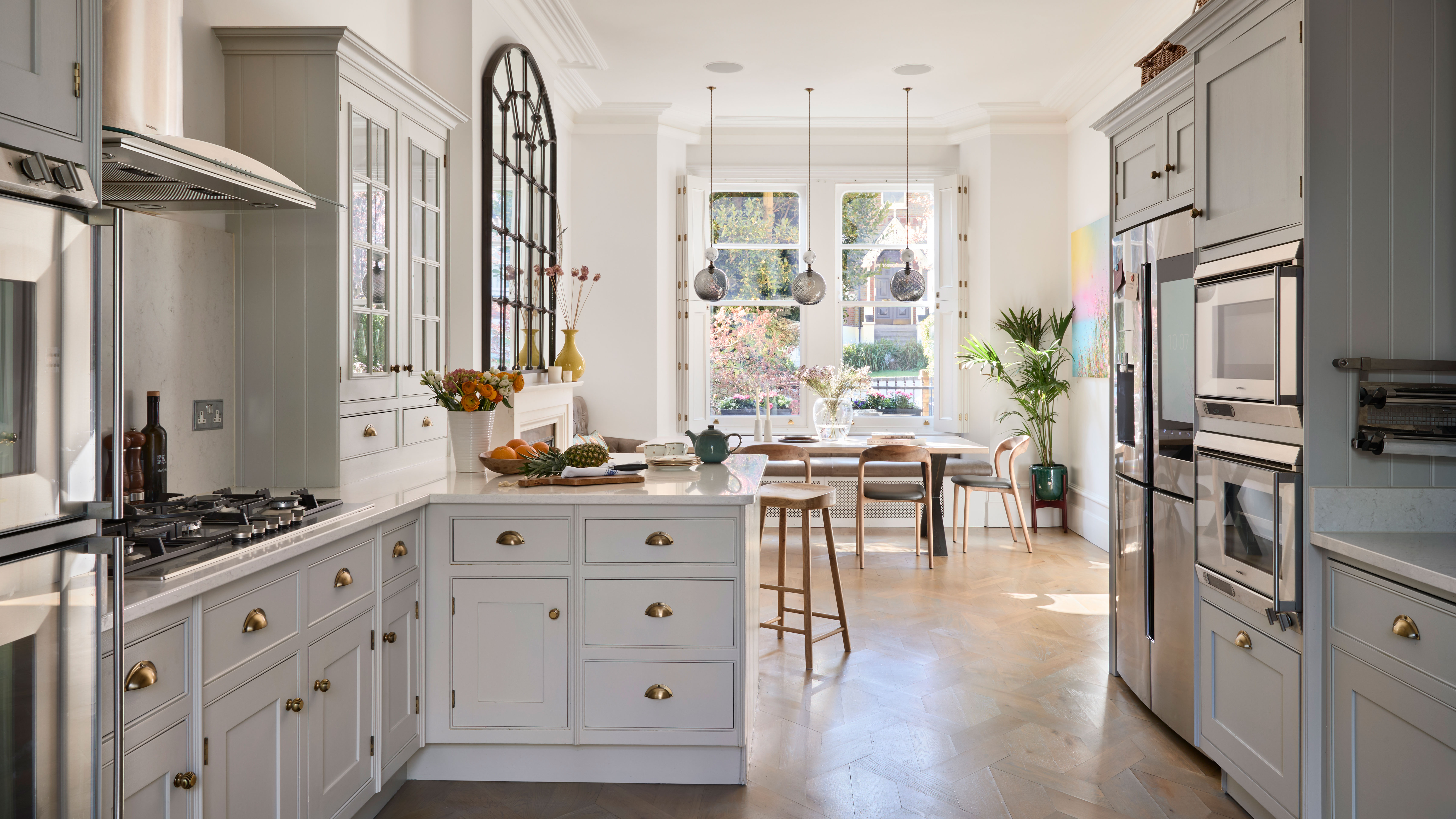
- Clean Lines and Open Spaces: Minimalist luxury homes are characterized by uncluttered layouts, where each piece of furniture and decor serves a clear purpose. Large windows, open floor plans, and integrated storage solutions help maintain a sense of spaciousness and flow.
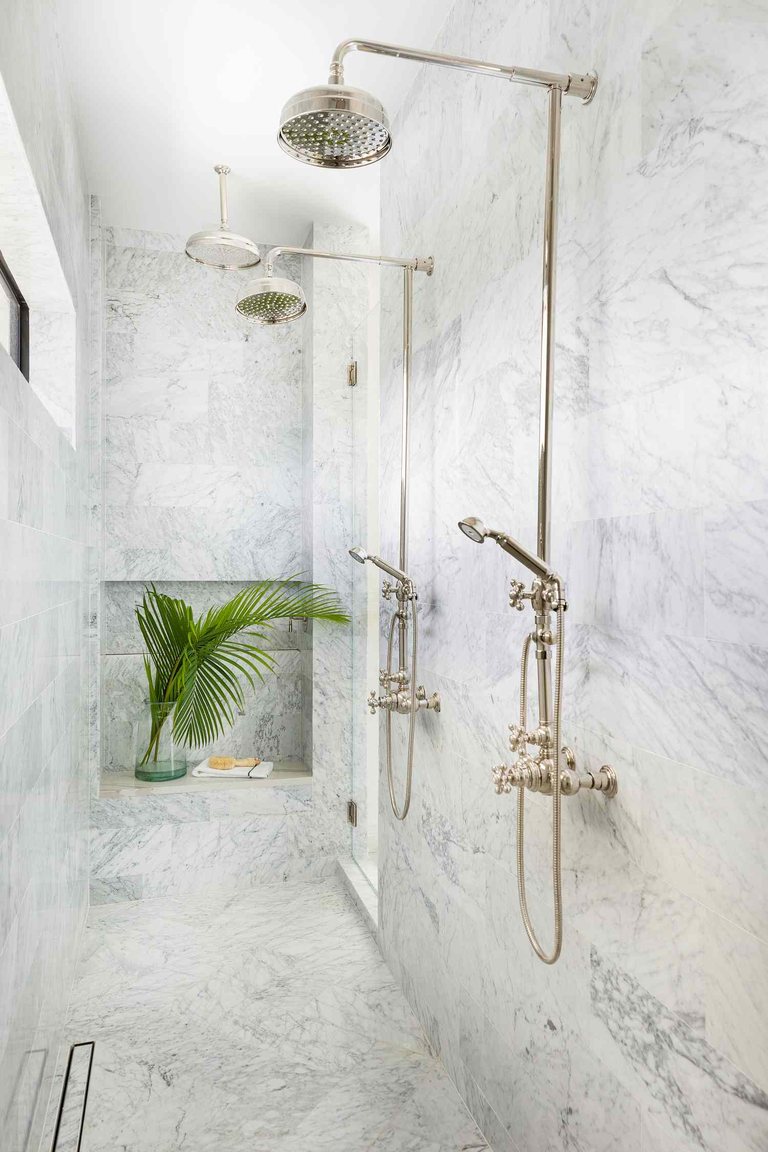
- High-Quality Materials: The materials used in minimalist luxury homes are chosen for their durability, texture, and visual appeal. Think natural stone, solid wood, brushed metal, and organic fabrics like linen and wool. These materials not only elevate the aesthetic but also age gracefully over time.
- Neutral Color Palettes: A muted color scheme, often featuring whites, grays, beiges, and soft blacks, forms the foundation of minimalist luxury. These tones create a calming backdrop that allows key design elements to stand out. Pops of color, when used, are subtle and intentional, adding depth without overwhelming the space.
- Thoughtful Lighting: Lighting is crucial in defining the mood and functionality of a minimalist luxury home. Recessed lighting, statement pendant lamps, and floor-to-ceiling windows maximize natural light, while dimmable fixtures and warm-toned bulbs create cozy ambiance in the evenings.
- Minimalist Furniture with Maximum Impact: Furniture in these homes is selected for its clean design, comfort, and functionality. Pieces often feature sleek silhouettes, tapered legs, and streamlined shapes. Multifunctional items, such as storage ottomans or extendable dining tables, are favored to save space and reduce clutter.
- Integration of Nature: Bringing the outdoors inside is a hallmark of minimalist luxury. Indoor plants, natural wood accents, and stone countertops blur the boundaries between interior and exterior spaces, fostering a sense of connection to nature and enhancing overall well-being.
- Technology with Restraint: While modern homes often incorporate smart technology, minimalist luxury homes integrate these features discreetly. Smart thermostats, hidden charging stations, and concealed speakers maintain a clean aesthetic without sacrificing convenience.
Frequently Asked Questions / Pros & Cons
Why is minimalist luxury becoming so popular?
Minimalist luxury resonates with today’s homeowners because it offers a way to enjoy the benefits of luxury without the overwhelming maintenance and clutter. It aligns with a growing desire for simplicity, sustainability, and mindfulness in daily life. The aesthetic also appeals to those who appreciate timeless design over fleeting trends.
Is minimalist luxury expensive to achieve?
While high-quality materials and craftsmanship come at a premium, minimalist luxury does not necessarily require an unlimited budget. The key is to invest in fewer, but better, pieces. Over time, this approach can be more cost-effective, as durable items reduce the need for frequent replacements. Strategic sourcing and prioritizing essential elements can help achieve the look without overspending.
Can minimalist luxury homes feel cozy and inviting?
Absolutely. The misconception that minimalism equals cold or sterile spaces is outdated. Minimalist luxury homes achieve warmth through thoughtful layering of textures, soft lighting, and personal touches like artwork or textiles. The absence of clutter allows these elements to shine, creating an atmosphere that feels both elegant and comfortable.
How do you prevent a minimalist home from looking empty or unfinished?
Balance is essential. Instead of leaving walls bare, incorporate art, mirrors, or sculptural objects that add visual interest without cluttering the space. Rugs, cushions, and throws introduce color and softness, while greenery brings life and vibrancy. The goal is to create a curated look where every item feels intentional and purposeful.
Pros of Minimalist Luxury:
- Easier to clean and maintain due to reduced clutter.
- Enhances mental clarity and reduces stress by promoting a calm environment.
- Encourages sustainable living through mindful consumption and high-quality materials.
- Creates a timeless aesthetic that does not rely on fleeting trends.
- Improves functionality with multipurpose furniture and integrated storage solutions.
Cons of Minimalist Luxury:
- Achieving a high-end look can require a significant initial investment in quality materials and furniture.
- Less storage space may be available, requiring disciplined organization habits.
- Some may find the aesthetic too austere or lacking in personal expression.
- Custom or bespoke pieces, which are often preferred, can be difficult to source and may come with long lead times.
Practical Guidance & Solutions
If you are inspired to embrace minimalist luxury in your home, start with a clear vision of what you want to achieve. Begin by decluttering your space and identifying what truly brings you joy or serves a practical purpose. Donate or sell items that no longer align with your goals, and resist the urge to fill empty spaces too quickly.
When selecting furniture and decor, focus on quality over quantity. Invest in pieces with clean lines and timeless designs that will stand the test of time. Prioritize comfort, as luxury should enhance daily living, not just aesthetic appeal. Consider hiring an interior designer who specializes in minimalist design to help you navigate choices and avoid common pitfalls.
Lighting plays a vital role in setting the tone of a minimalist luxury home. Maximize natural light by keeping window treatments simple and unobtrusive. Layer artificial lighting with a mix of ambient, task, and accent lighting to create depth and warmth. Choose fixtures that complement the overall design aesthetic, whether they are modern, organic, or sculptural.
To add personality to your space without compromising the minimalist ethos, curate a small collection of art or photography that resonates with you. Opt for frames in neutral tones or natural materials like wood or metal. Incorporate textiles in subtle patterns or textures to introduce visual interest. Remember, the goal is to create a home that feels like a sanctuary, calm, cohesive, and deeply personal.
Finally, embrace the process of refinement. Minimalist luxury is not achieved overnight but through continuous editing and thoughtful curation. Regularly reassess your space to ensure it continues to serve your needs and reflect your evolving tastes. By doing so, you will cultivate a home that is not only beautiful but also profoundly meaningful.
Conclusion
Minimalist luxury represents a refined approach to modern living, where elegance is found in simplicity and sophistication is woven into every detail. It is a celebration of intentionality, where every object, material, and color is chosen with purpose and care. In a world that often feels chaotic and cluttered, these homes offer a sanctuary of calm and clarity, proving that true luxury lies not in excess, but in essence.
As this design philosophy continues to evolve, it reminds us that less can indeed be more. By focusing on quality, sustainability, and mindfulness, minimalist luxury homes redefine what it means to live well. They invite us to slow down, appreciate the beauty of the essential, and surround ourselves with only what truly matters. In doing so, they create spaces that are not just stunning to behold, but also deeply nurturing to inhabit.
About the Author