
Strategic Approaches to Commercial Plumbing Services and Maintenance
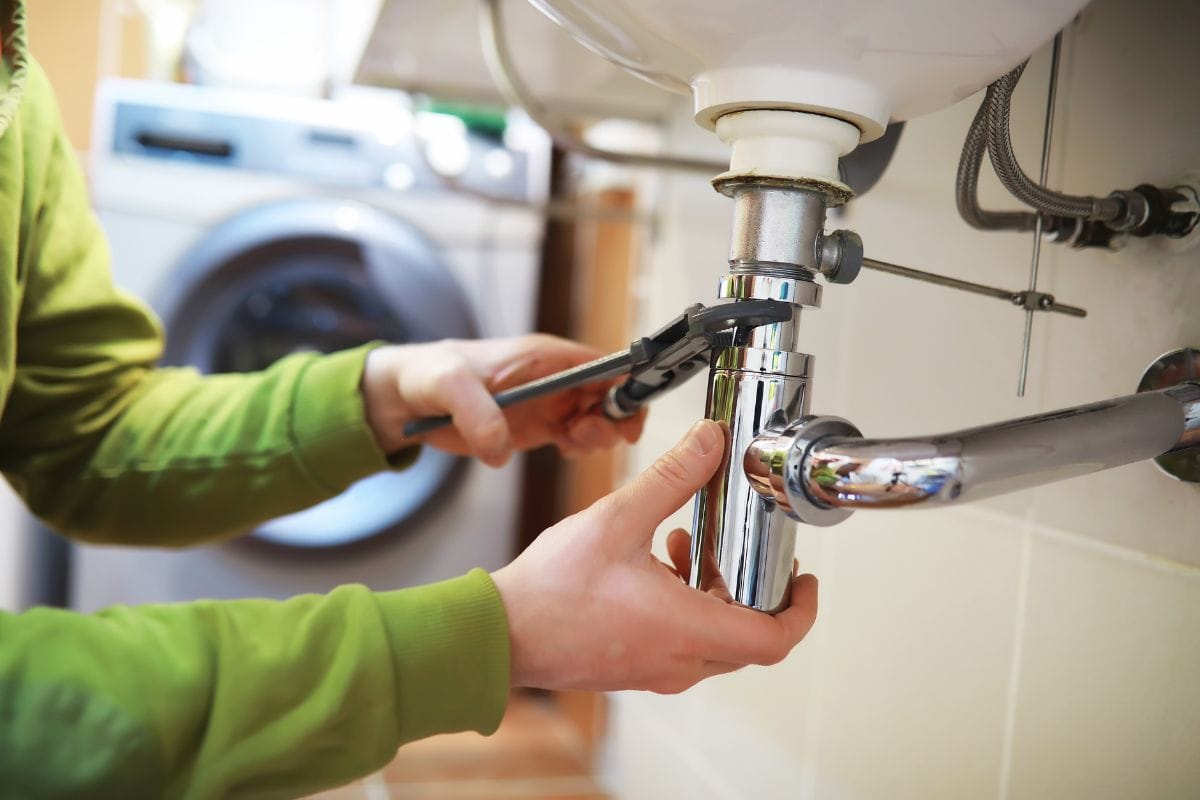
For business owners and facility managers, the mechanical systems of a building are often relegated to the background—until a catastrophic failure forces them to the forefront of daily operations. When a primary drain line backs up in a high-traffic lobby or a water main ruptures in a manufacturing facility, the resulting downtime is rarely just a maintenance issue; it is a direct hit to the company’s bottom line. Understanding the nuances of commercial plumbing services and the preventive strategies required to maintain these complex networks is essential for protecting both physical assets and operational continuity.
Understanding the Complexity of Commercial Systems
Unlike residential plumbing, which typically involves straightforward, single-family utility demands, commercial infrastructure is designed for high-volume usage, specialized waste disposal, and complex multi-story distribution. These systems must support heavy loads, often operating under continuous pressure for extended periods.
Industrial-grade plumbing requires specific components, such as high-capacity water heaters, grease interceptors, and large-diameter piping, all of which demand specialized technical knowledge. When a system reaches a point of mechanical fatigue or recurring obstruction, general repairs are rarely sufficient. Professional plumbing repair teams must evaluate the system as a whole, looking at pressure regulation, chemical corrosion, and structural integrity rather than simply patching a single leak or clearing a localized clog.
The Role of Preventive Maintenance in Operations
The most successful facilities move away from a “repair-on-demand” model and embrace a structured, preventive maintenance program. The objective is to identify potential points of failure before they evolve into emergency situations that disrupt business or necessitate expensive after-hours interventions.
A comprehensive maintenance strategy usually includes:
- Routine Hydro-Jetting: Using high-pressure water streams to scour pipe walls, removing grease, mineral deposits, and scale that accumulate in heavy-use kitchens or waste lines.
- Video Inspection Protocols: Deploying HD cameras into sewer laterals and main lines to document the physical condition of the pipe interior, identifying root intrusion, offset joints, or structural thinning long before a collapse occurs.
- Backflow Prevention Testing: Ensuring that water system integrity remains compliant with local health codes, a critical requirement for restaurants, medical offices, and schools.
- Water Heater Efficiency Audits: Evaluating anode rod degradation and sediment buildup in commercial boilers to prevent unexpected temperature losses and tank leaks.
Identifying Signs of System Distress
Facility managers should be trained to recognize the early warning signs of system failure. Because these systems are often hidden behind walls or beneath concrete slabs, the signals are frequently auditory or performance-based.
- Pressure Fluctuations: A sudden drop in water pressure across multiple fixtures often indicates a failing pressure-reducing valve or a significant leak in the primary distribution line.
- Lingering Odors: Persistent sewer gas smells are often indicative of dried-out traps, cracked vent stacks, or potential breaches in the sewer line that allow methane and other gases to enter the building envelope.
- Slow Drainage Patterns: While a single slow sink may be a minor issue, systemic slow drainage across an entire floor suggests a blockage in the main stack or the municipal connection, which requires immediate diagnostic attention.
- Visual Discoloration: Rust-colored or cloudy water may signal internal pipe corrosion or the breakdown of a water storage tank’s protective lining.
Choosing the Right Service Partner
When selecting a provider for commercial plumbing services, the criteria should extend beyond simple availability. A high-quality partner functions as an extension of your facilities management team.
Key attributes to look for include:
- Evidence of Technical Specialization: Look for providers that focus on commercial or industrial applications rather than just residential repairs. These firms are more likely to have the equipment—such as 4,000 PSI hydro-jetting rigs, trenchless pipe lining technology, and industrial leak detection sensors—necessary to handle complex, high-capacity environments.
- Regulatory Familiarity: Regulations regarding grease traps, water quality, and sewage disposal vary significantly by jurisdiction. An expert service provider will ensure that all work is performed in compliance with current local codes, protecting the facility owner from potential fines or inspection failures.
- Proactive Reporting: A reputable service partner provides detailed documentation, including before-and-after video footage of cleaned lines and written assessments of hardware condition. This data is invaluable for long-term capital planning, allowing management to budget for equipment replacement rather than reacting to emergency failure.
Addressing Challenges in Modern Facilities
Infrastructure in older buildings often struggles to cope with the demands of modern high-efficiency fixtures and increased personnel density. For example, low-flow toilets, while environmentally responsible, sometimes lead to reduced “scouring velocity” in older sewer lines, causing solids to build up more quickly.
Furthermore, aging copper piping is highly susceptible to pinhole leaks caused by aggressive water chemistry or poor electrical grounding. In these scenarios, a standard plumbing repair might be a temporary fix for a much larger, systemic issue. Strategic planning may involve evaluating when to perform a partial repipe or implement a proactive chemical treatment program to stabilize the system’s interior environment.
The Value of an Integrated Approach
Ultimately, a facility’s plumbing system is a critical component of its operational efficiency. When the system functions as intended, it is invisible. When it fails, it demands immediate attention, often at the highest possible cost.
By prioritizing regular inspections, maintaining accurate service logs, and establishing a relationship with a qualified partner in commercial plumbing services, business owners can shift the focus from fire-fighting to strategic asset management. This shift not only prevents the direct costs associated with emergency plumbing work but also mitigates the indirect costs of operational downtime, employee frustration, and customer dissatisfaction.
When you treat plumbing as a central part of your building’s health, you create a more resilient environment. Whether it is addressing minor leaks or performing a full system audit, taking proactive steps today is the most effective way to ensure the long-term viability of your property’s water and waste infrastructure. By maintaining this vigilance, you ensure that your facility remains safe, functional, and ready to meet the demands of your business operations, regardless of the challenges the system may face.