Preserving the Charm: Essential Maintenance Tips for Small Log Cabin Kits

Owning a small log cabin represents a dream of simplicity and connection with nature. Whether used as a backyard office, a guest house, or a secluded weekend retreat, these structures provide a unique warmth and aesthetic that modern drywall and siding cannot replicate. However, because logs are organic materials, they are constantly interacting with their environment. Unlike a conventional home that relies on a complex layering of synthetic materials, a log cabin’s structural integrity depends on the health of the wood itself. By committing to a consistent maintenance routine, you can prevent common issues like rot, pest infestation, and UV damage, ensuring your cabin remains a sturdy sanctuary for decades to come.
The Foundation of Defense: Moisture Management
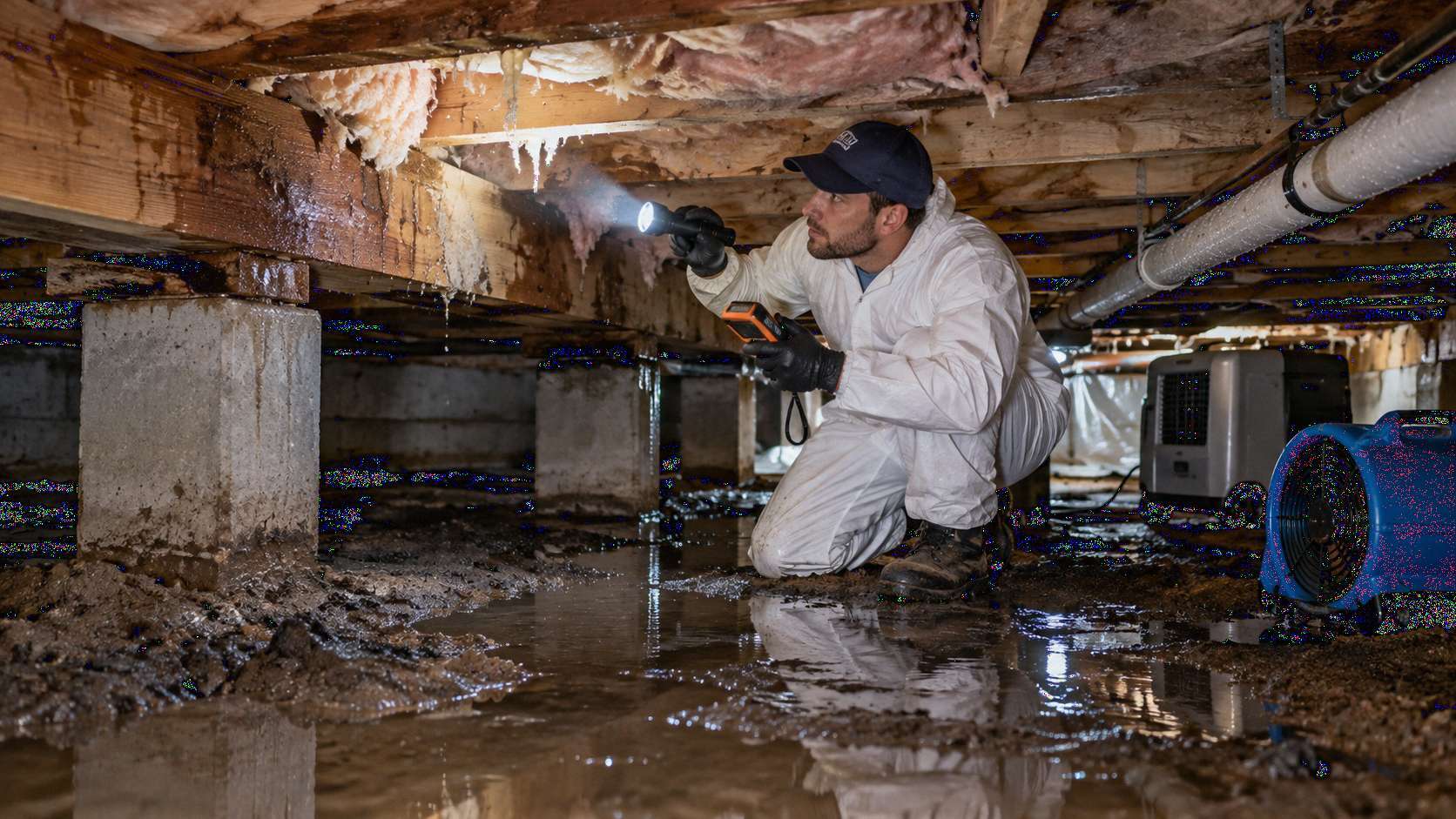
The single greatest threat to any log cabin is moisture. When water is allowed to sit on or penetrate the logs, it creates the perfect environment for fungi and rot to flourish. Maintenance begins not on the small log cabin kits themselves, but on the systems designed to keep them dry. The first area of focus should be your gutters and downspouts. Ensure they are cleared of debris at least twice a year to prevent water from overflowing and splashing back onto the lower logs. This splash-back is a leading cause of localized rot near the foundation.
In addition to gutter maintenance, it is vital to inspect the surrounding landscape. Plants, shrubs, and trees should be trimmed so they are at least two feet away from the cabin walls. Vegetation that touches the logs can trap moisture against the wood and prevent proper airflow, which is essential for drying the logs after a rainstorm. Similarly, ensure that the ground slopes away from the cabin to prevent water from pooling around the base. Keeping the first few courses of logs dry is the most effective way to extend the life of the entire kit.
Protecting Against the Sun: Staining and Sealing
While water is the primary cause of decay, ultraviolet rays from the sun are responsible for the aesthetic degradation of the wood. Over time, UV exposure breaks down the lignin in wood cells, leading to a grey, weathered appearance and eventually causing the wood to crack or “check.” To prevent this, your cabin needs a high-quality UV-resistant stain. Most experts recommend a semi-transparent or solid stain that allows the wood to breathe while reflecting harmful rays.
You can test the effectiveness of your current seal by splashing a small amount of water onto the logs. If the water beads up and rolls off, your protection is still intact. If the water soaks into the wood and leaves a dark spot, it is time to reapply the stain. Generally, a log cabin will require a fresh coat every three to five years, depending on its exposure to the sun and local weather patterns. Regular staining not only keeps the cabin looking new but also provides a vital water-repellent barrier.
Sealing the Gaps: Chinking and Caulking
As a log cabin seasons and reacts to changes in humidity, the logs will naturally expand and contract. This movement can lead to the development of small gaps between the logs or cracks within the logs themselves. These openings are more than just an energy efficiency concern; they are entry points for moisture and insects. Chinking is the textured, mortar-like material used to seal the horizontal joints between logs, while specialized wood caulk is used for smaller cracks or gaps around windows and doors.
Inspect your cabin annually for any signs of pulling, cracking, or missing chinking. If you find a gap, it should be cleaned and filled promptly to prevent water from seeping into the interior of the log. For large cracks on the upward-facing side of a log, known as checks, sealing is particularly important because they can act as funnels for rainwater. Maintaining a tight seal ensures that the interior of the cabin remains dry and that your heating and cooling costs remain manageable.
Conclusion
Maintenance is the price of admission for the unique beauty of a log cabin. While it may seem daunting at first, most tasks are simple and only require a keen eye and a few hours of work each season. By focusing on moisture control, maintaining a high-quality stain, sealing gaps as they appear, and keeping an eye out for pests, you are taking the necessary steps to protect your investment.
A small log cabin kit is more than just a building; it is a legacy of craftsmanship and natural living. When you invest time in its care, the wood responds by growing more resilient and beautiful with age. The small effort required for annual inspections pays off in the long run, saving you from expensive repairs and ensuring that your cabin remains a comfortable, dry, and inviting escape from the modern world.