
How to Create a Kitchen That Feels Calm, Practical, and Easy to Use
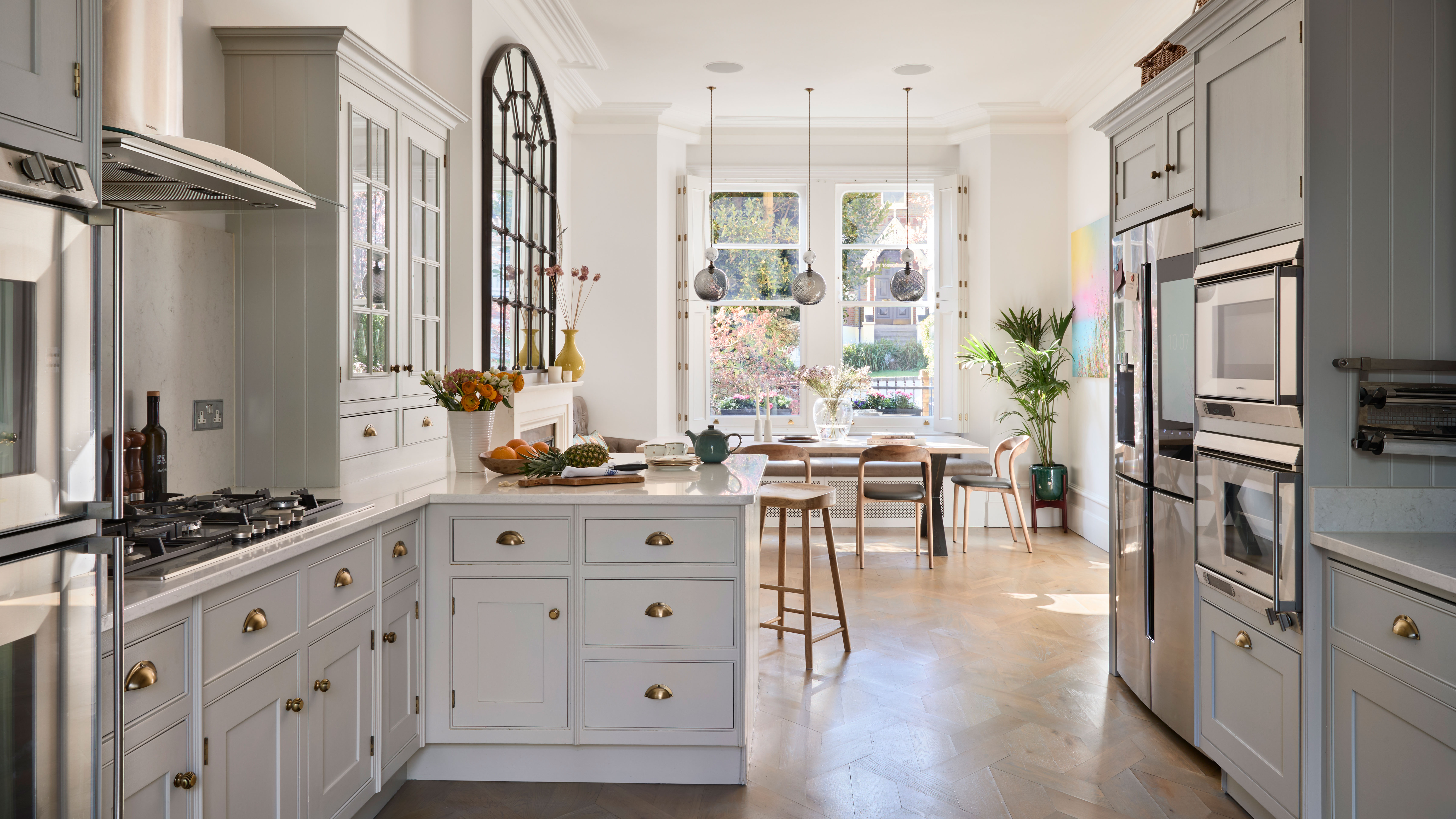
A kitchen can look beautiful and still feel frustrating to use. You may have plenty of storage, but the things you need most often are hard to reach. The finishes may look cohesive, yet the room can feel crowded once everyone starts preparing food.
Good kitchen design is not only about choosing attractive cabinets, worktops and appliances. It is also about establishing a space that supports the way people actually live. Small decisions about layout, storage and appliance placement can make everyday tasks noticeably easier.
Here are some useful ways to create a kitchen that feels comfortable without making every decision about following the latest design trend.
Start with How You Use the Kitchen
Before changing the layout, spend some time thinking about what happens in the kitchen during a normal day.
Where do you prepare meals? Which cupboards do you open most often? Does more than one person regularly cook at the same time? Do children use the space independently? Is there enough room to unload groceries without blocking someone else?
These questions can reveal problems that are easy to miss when looking only at the room itself.
A kitchen designed around actual routines will usually feel more natural than one designed purely around a particular visual style.
Reduce Visual Clutter
A calm kitchen does not necessarily need to be minimalist. It simply needs some control over what remains visible.
Too many contrasting finishes, appliances and items on the worktop can make even a large kitchen feel busy. Storage can help, but it is also worth considering which items genuinely need to remain within reach.
The same idea applies to larger equipment. Built-in appliance options can produce a more consistent appearance by allowing certain appliances to sit more discreetly within the surrounding cabinetry.
This may be especially useful in open-plan homes where the kitchen is visible from the dining or living area.
Create a Practical Workflow
The distance between the refrigerator, sink, preparation area, and cooking surface can noticeably affect how easy the kitchen feels to use.
You do not need to follow a strict layout formula. Instead, consider how ingredients and dishes move through the room.
Someone preparing dinner might take ingredients from the refrigerator, wash or prepare them near the sink, then move them to the cooking area. If those spaces are positioned sensibly, the process becomes easier.
Also consider movement when more than one person is using the kitchen. A layout that works perfectly for one person may become frustrating when another person needs to pass through.
Give Frequently Used Items a Logical Place
Storage works best when it reflects how you use what’s inside.
Frequently used cookware should not require reaching into the back of a deep cabinet. Everyday plates and glasses should be easy to access. You can store less frequently used equipment in areas that are slightly harder to reach.
Drawer organizers, pull-out storage and vertical dividers can also make existing cabinets more useful.
Before buying additional storage products, take a look at what you already have. Sometimes the problem isn’t a lack of storage but poor use of the space you have.
Think Carefully About Appliance Placement
Appliance placement affects both convenience and movement.
A dishwasher, for example, is generally easier to use when it is positioned close to the sink. That makes loading dishes simpler and reduces the distance between related tasks.
The surrounding clearance also matters. An appliance door that opens into a busy walkway can quickly become an everyday annoyance.
When comparing dishwasher options, consider more than the external dimensions. Think about how the door opens, where people will stand while loading it, and whether nearby drawers or cabinets can still be used comfortably.
Make Cleaning and Maintenance Easier
A kitchen that looks good on installation day still needs to be practical several years later.
Consider how easily worktops can be cleaned, whether crumbs collect around difficult edges, and whether frequently touched surfaces are easy to maintain.
The same thinking applies to appliances and storage. Equipment should be accessible enough for routine cleaning and maintenance. Cabinets should not make basic repairs unnecessarily difficult.
Choosing materials and layouts with maintenance in mind may not be the most exciting part of kitchen design, but it can make a considerable difference over time.
Leave Enough Space for Movement
A kitchen can contain all the right elements and still feel uncomfortable if there is not enough room between them.
Pay attention to the areas where people stand while cooking, unloading groceries, or using an appliance. Cabinet doors, drawers, and appliance doors all require additional space when open.
It is also worth measuring the surrounding area before ordering major kitchen equipment. The opening itself is only part of the calculation, since door movement, installation clearance and the route into the kitchen can all affect whether something works in practice. A practical guide on measuring the space before ordering kitchen appliances covers some of these commonly overlooked considerations.
This is especially important in smaller kitchens. Trying to fit too much equipment into a limited area can make the entire room harder to use.
Use Cabinetry to Create a More Consistent Look
Cabinetry strongly influences how cohesive a kitchen feels.
Matching finishes can create continuity, but consistency doesn’t mean every surface has to be identical. Different textures and materials can work well together when they have a clear relationship.
Appliances can also affect this proportion. Stainless steel, black finishes, and visible controls may become strong visual features, while integrated designs can create a quieter appearance.
The right approach depends on the home’s overall style. A traditional property may suit a more detailed kitchen, while a contemporary open-plan space might benefit from simpler lines.
Choose Features That Support Your Routine
Modern kitchens can include a long list of features, but more features do not automatically create a better kitchen.
Think about which functions you will actually use.
If you cook frequently, preparation space and storage may be more valuable than a feature you rarely need. If the kitchen is mainly used for quick meals, a complicated layout may create unnecessary work.
The same principle applies when selecting appliances. Compare the functions that matter to your household rather than assuming the model with the longest feature list is the best choice.
Balance Appearance with Utility
A kitchen should reflect your personal taste, but it also needs to cope with everyday life.
A delicate surface may look attractive but require constant maintenance. Open shelving may create an appealing display but can also collect dust. A particular layout might photograph well while being awkward for regular cooking.
There is nothing wrong with choosing design features simply because you like them. The key is understanding the practical trade-offs before committing.
For residents considering a more streamlined appearance, it is worth exploring how integrated appliances can improve modern kitchen design when the goal is to blend appliances more closely with surrounding cabinetry.
The best kitchens usually find a comfortable middle ground between visual appeal and usability.
Design for the Way You Live
No single kitchen layout works for everyone.
A household that cooks together every evening has different needs from someone who mostly prepares quick meals. Someone who entertains regularly may prioritize serving space, while another household may need more room for children’s activities or everyday storage.
That is why copying another kitchen exactly rarely produces the same result.
Look at your own habits first. Decide what causes frustration, what works well, and what you wish were easier. Then use those observations to guide the design.
Final Thoughts
A calm and practical kitchen does not need to be expensive or perfectly minimalist. It needs to make sense for the people using it.
Good storage, sensible appliance placement, enough movement space, and a considered combination of finishes can make the room easier to live with every day.
The most successful kitchen decisions are often the ones you barely notice once everything is finished. Doors open without getting in the way. Frequently used items are easy to reach. Cleaning does not become a chore. People can move around without constantly bumping into one another.
That is what good kitchen design should ultimately achieve: a space that works so naturally that you can concentrate on everything else happening around it.