
Introduction & Background
There is something deeply comforting about the phrase “home sweet home.” It evokes memories of warmth, safety, and personal expression. A home is more than just a place to live. It is a reflection of who we are, a sanctuary where we recharge and find peace. In today’s fast-paced world, where stress and distractions are constant, designing a home that feels like a true sanctuary has never been more important. Creating a space that combines style with soul is not just about aesthetics. It is about crafting an environment that nurtures your well-being, aligns with your values, and inspires your daily life.
Whether you are moving into a new space or looking to refresh your current home, the process of designing your sanctuary should be thoughtful and intentional. It involves understanding your needs, embracing your personal taste, and making choices that bring both beauty and meaning to your surroundings. This article explores how you can transform your house into a home that feels uniquely yours, blending sophistication with a sense of belonging.
Concept & Overview
Designing a home sanctuary is about creating a space that feels authentically “you.” It goes beyond following trends or filling rooms with expensive furniture. Instead, it focuses on curating an environment that supports your lifestyle, reflects your personality, and fosters tranquility. At its core, a sanctuary home balances style and soul. Style refers to the visual appeal, the colors, textures, and arrangements that catch the eye. Soul, on the other hand, is the emotional connection you feel when you step through the door. It is the warmth of a well-loved armchair, the scent of fresh flowers, or the quiet comfort of a reading nook.
Key principles of designing a home sanctuary include intentionality, harmony, and personalization. Intentionality means making deliberate choices about what you bring into your space. Every item should serve a purpose or spark joy. Harmony involves creating a cohesive look and feel throughout your home, where each room complements the others. Personalization ensures that your home tells your story, filled with meaningful objects, colors, and layouts that resonate with you. Together, these principles create a home that is not only beautiful but also deeply fulfilling.
Key Features & Highlights
- Personal Style Expression: Your home should reflect your unique taste and lifestyle. Whether your style is minimalist, bohemian, modern, or traditional, let it shine through in your decor choices. Display art that inspires you, choose furniture that fits your needs, and incorporate colors that evoke positive emotions.
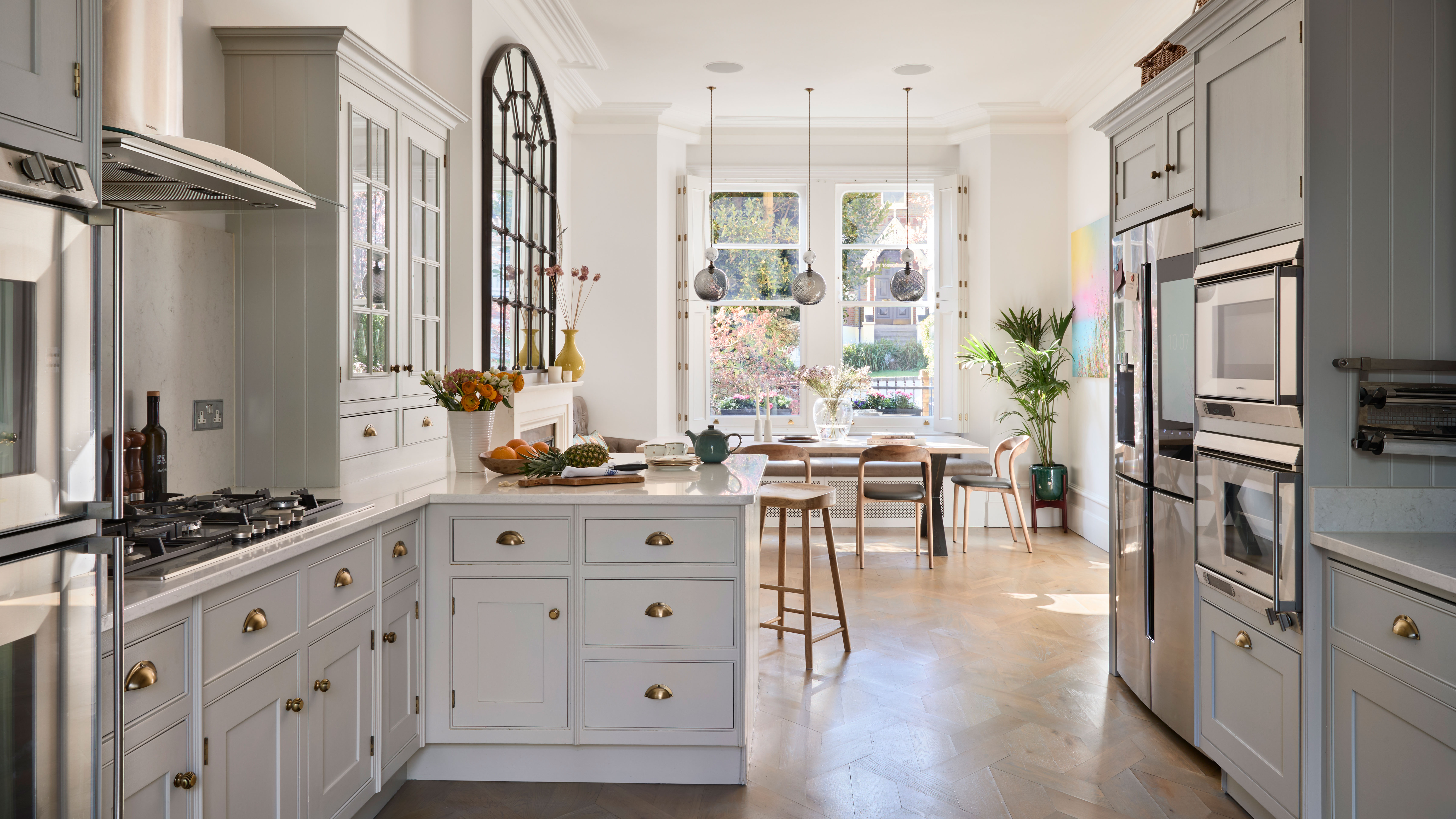
- Comfort & Functionality: A sanctuary home prioritizes comfort above all else. Invest in quality mattresses, ergonomic chairs, and soft textiles. Consider how you use each space. A living room should encourage relaxation, while a kitchen should be efficient and inviting. Functional design ensures that every corner of your home works for you.
- Natural Elements & Light: Bringing the outdoors inside is a powerful way to create a calming atmosphere. Use natural materials like wood, stone, and linen. Maximize natural light with large windows, sheer curtains, and mirrors that reflect light. Plants are also essential, as they purify the air and add a touch of life to any room.
- Warm & Inviting Color Palette: Colors have a profound impact on mood. Choose a palette that feels harmonious and soothing. Soft neutrals like beige, cream, and gray create a serene base. Accent colors can add personality and energy. Earthy tones like sage green or warm terracotta are perfect for grounding a space, while soft blues or lavenders promote relaxation.
- Cozy Textures & Layers: Texture adds depth and warmth to a home. Layer rugs, throws, and cushions to create a tactile experience. A plush velvet sofa, a chunky knit blanket, or a fluffy rug can make a space feel instantly cozy. Don’t overlook the importance of scent either. Candles, essential oil diffusers, and fresh flowers can enhance the sensory experience of your home.
- Decluttered & Organized Space: A clutter-free home is a peaceful home. Implement smart storage solutions to keep surfaces clear and your mind unburdened. Use baskets, shelves, and cabinets that blend seamlessly with your decor. Regularly declutter to ensure that only the items you love and use remain in your space.
Frequently Asked Questions / Pros & Cons
What makes a home a true sanctuary?
A true sanctuary home is one that feels safe, comfortable, and deeply personal. It is a place where you can escape from the outside world, recharge your energy, and be yourself without judgment. The key elements include a calming atmosphere, meaningful decor, and spaces that cater to your needs. It is not about the size or cost of your home but about the intention behind every design choice.
Is it possible to create a sanctuary home on a budget?
Absolutely. A sanctuary home is not about spending a fortune. It is about making mindful choices that align with your values. Thrift stores, flea markets, and DIY projects can add personality and charm to your space without breaking the bank. Focus on investing in a few key pieces that bring you joy, and gradually build your sanctuary over time.
How do I choose a color palette for my home sanctuary?
Start by considering the mood you want to create in each room. Soft, muted tones tend to promote relaxation, while brighter colors can energize a space. Think about the natural light in your home. North-facing rooms may feel cooler, so warmer tones like soft yellows or peaches can balance the space. Test paint samples on your walls and observe how they look at different times of day before making a final decision.
What are the biggest challenges in designing a home sanctuary?
One of the biggest challenges is balancing style with functionality. It can be tempting to fill your home with beautiful but impractical items. Another challenge is maintaining a clutter-free environment, especially in small spaces. Consistency can also be difficult. It is easy to get carried away with trends or impulse purchases that do not align with your vision. The key is to stay true to your personal style and prioritize what truly matters to you.
Pros and Cons of Open vs. Closed Floor Plans
Open Floor Plan:
- Pros: Creates a sense of spaciousness and encourages social interaction. It allows natural light to flow freely and makes it easier to entertain guests. An open layout can also make a small home feel larger.
- Cons: Can feel chaotic if not designed carefully. Noise and odors can travel easily from one area to another. Privacy can also be an issue in open spaces, especially for those working from home.
Closed Floor Plan:
- Pros: Provides privacy and noise control. Each room can have a distinct purpose and feel separate from the others. Closed layouts are often cozier and easier to heat or cool.
- Cons: Can feel restrictive or compartmentalized. It may limit natural light and make a small home feel cramped. Closed floor plans can also hinder the flow of conversation and movement.
Practical Guidance & Solutions
Start with a Vision
Before making any changes, take time to visualize what your ideal home sanctuary looks like. Create a mood board with images, colors, and textures that inspire you. Consider how you want to feel in each space. Do you want your bedroom to feel like a retreat or your living room to be a cozy gathering spot? Write down your goals and priorities for your home. This vision will guide every decision you make.
Focus on One Room at a Time
Redesigning an entire home can feel overwhelming. Instead, tackle one room at a time. Begin with the space that needs the most attention or the one you use the most. For many people, this is the bedroom or living room. Break your project into smaller steps. Declutter first, then focus on furniture placement, color schemes, and decor. Celebrate each completed space as a step toward your ultimate sanctuary.
Invest in Quality Over Quantity
When it comes to furniture and decor, quality matters. Invest in pieces that are well-made and durable. A solid wood dining table or a comfortable sofa will last for years and improve with age. Avoid fast furniture that may fall apart quickly. If budget is a concern, prioritize the items you use daily, like your mattress or kitchen tools, and save on decor that can be easily swapped out later.
Create Zones for Different Activities
Think about how you use your home. Do you need a quiet reading nook, a productive workspace, or a play area for children? Designate specific zones for different activities. Use furniture, rugs, or lighting to define these areas. For example, a bookshelf can separate a living room from a home office, or a large rug can mark a cozy seating area. Zoning helps create order and makes your home more functional.
Incorporate Nature Indoors
Nature has a calming effect on the mind and body. Bring the outdoors in by adding plants, natural materials, and organic textures. Choose low-maintenance plants like snake plants or pothos if you are new to gardening. Use wood, rattan, or linen for furniture and textiles. Maximize natural light by keeping windows unobstructed and using sheer curtains. Even a small herb garden on your kitchen counter can enhance your connection to nature.
Keep It Simple and Personal
Your home sanctuary should feel like an extension of yourself. Avoid cluttering your space with items that do not bring you joy. Instead, curate decor that tells your story. Display family photos, travel souvenirs, or artwork that resonates with you. Incorporate scents that you love, whether through candles, diffusers, or fresh flowers. The goal is to create a space that feels uniquely yours and nurtures your soul.
Conclusion
Designing a home that feels like a true sanctuary is a journey worth taking. It is about more than just decorating a house. It is about creating a space that nurtures your mind, body, and spirit. When you infuse your home with your personal style, comfort, and meaning, it becomes a place where you can truly unwind and be yourself.
Remember, there are no strict rules when it comes to designing your sanctuary. It is your space to shape and enjoy. Whether you prefer a minimalist retreat or a cozy, lived-in cottage, the key is to make choices that align with your values and bring you joy. Start small, stay intentional, and let your home evolve with you. After all, home is not just where you live. It is where you find peace, inspiration, and a sense of belonging.
About the Author