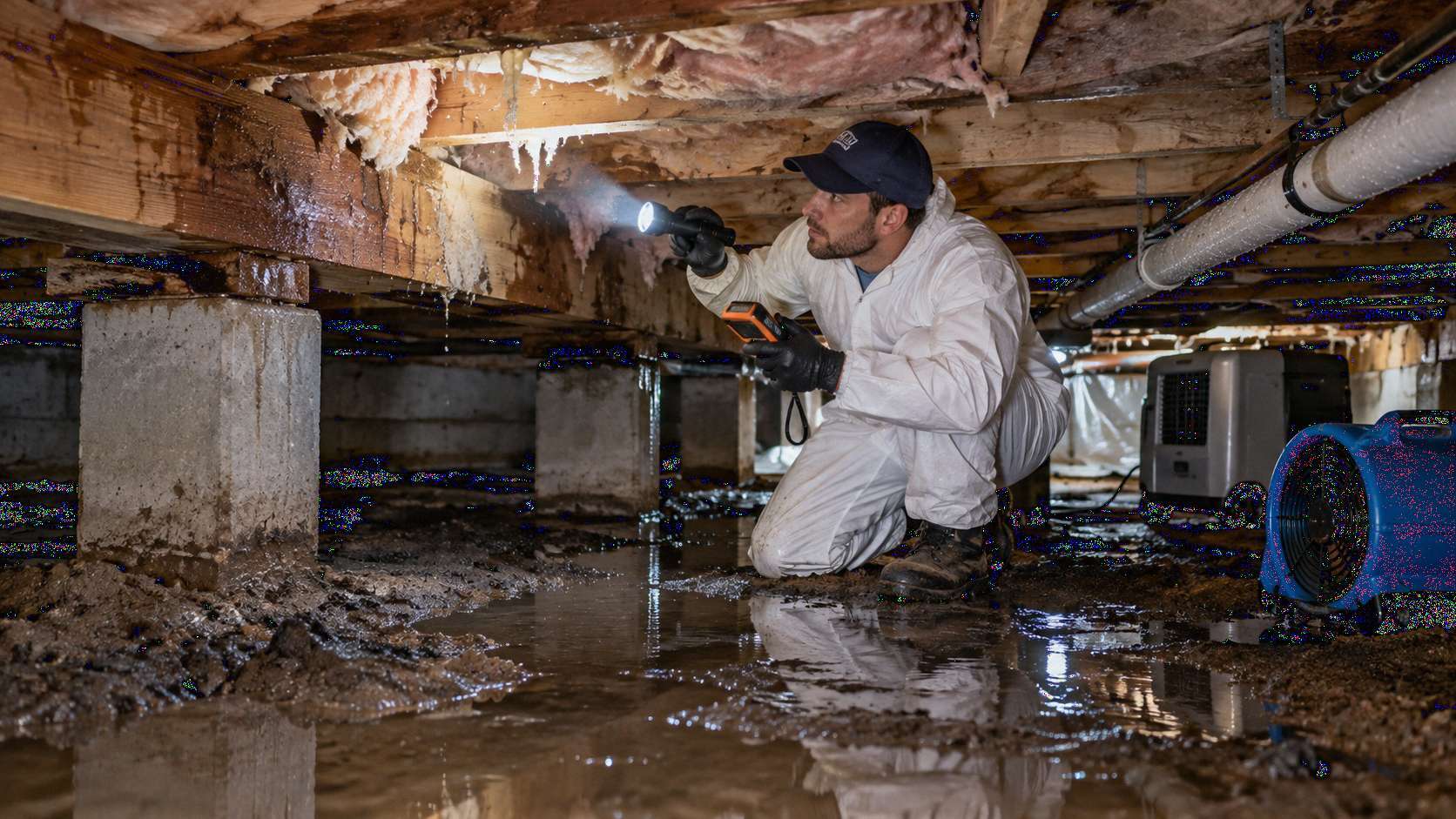
Steps to Take Before Making a Housing Disrepair Claim

When a repair problem in a rented home remains unresolved, it can be tempting to move straight to legal action. However, a clear and organised approach often gives tenants the best chance of getting repairs completed sooner.
Housing Disrepair Claims may be appropriate in some circumstances, but they are usually considered after a tenant has reported the problem, allowed reasonable access for repairs, and explored practical ways to resolve the issue.
Start With a Clear Repair Report
Your landlord or letting agent needs to know about a repair issue before they can arrange work. Report the problem as soon as possible, preferably in writing.
Include the following information:
- What the problem is
- When you first noticed it
- Where it is located in the property
- How it affects you or your household
- Whether it appears urgent
- Any photographs or videos you have taken
For example, if a leak is causing damp in a bedroom, say where the leak appears to be coming from, whether water is still entering the property, and whether mould has developed.
Keep a copy of your email, letter, or online repair report. A written record can show when the landlord was first informed of the issue.
Give Access for Inspections and Repairs
Landlords usually need access to inspect the problem and arrange repair work. If the landlord or contractor contacts you, try to agree on a suitable time as soon as possible.
Allowing reasonable access is important. If a repair cannot be completed because access was not provided, this may delay the problem and make the situation more difficult to resolve.
If an appointment is missed, record the date and contact the landlord again in writing. Ask for a new appointment and keep a note of their response.
Collect Evidence From the Beginning
Good evidence can make a repair issue much easier to explain. Start collecting it when you first notice the problem rather than waiting until it becomes severe.
Useful evidence includes:
- Dated photographs and videos
- Copies of emails, texts, and letters
- A diary of phone calls and appointments
- Notes about how the issue affects your daily life
- Receipts for damaged belongings or additional expenses
- Reports from contractors, health professionals, or the council where relevant
A simple timeline is often helpful. Write down the date you reported the issue, any action promised, work completed, and whether the repair actually solved the problem.
Follow Up if the Repair Is Delayed
Not every repair takes the same amount of time. Urgent issues, such as dangerous electrical faults, major leaks, or a complete lack of heating, generally require faster attention than less serious defects.
If you do not receive a response, follow up in writing. Remain polite but be specific. Explain that the problem is ongoing, attach any new photographs, and ask when the repair will be completed.
Where a landlord fails to keep a home safe and habitable, tenants may have several ways to seek help or redress. Government guidance encourages tenants and landlords to try to resolve the issue before court action is started.
Explore Other Options Before Court
Depending on the type of landlord and tenancy, you may have other routes available. Social housing tenants can use their landlord’s complaints process and, if needed, may be able to take a complaint to the Housing Ombudsman. Private tenants and housing association tenants may also be able to report serious property conditions to their local council.
The council may inspect the property if there is a significant health or safety concern. This can be especially important where serious damp and mould, unsafe electrics, or structural problems are present.
Consider Costs and Professional Advice Carefully
A legal claim can involve important decisions about evidence, legal costs, and possible outcomes. Before agreeing to any arrangement, ask clear questions about fees, success fees, insurance, and what could happen if the claim does not succeed.
Professional advice can help you understand whether the issue may justify Housing Disrepair Claims and whether there are other steps that could resolve the matter more quickly. Do not assume that compensation or a particular outcome is guaranteed.
You should also continue paying rent unless you have received appropriate independent advice. Stopping rent payments can cause separate tenancy problems.
FAQ
Do I need to report the issue before making a claim?
Yes. In most cases, the landlord should be told about the problem and given an opportunity to arrange repairs before further action is considered.
What should I do if the landlord ignores my repair report?
Follow up in writing, keep a copy of your communications, and consider contacting your local council or seeking independent advice if the issue is serious or ongoing.
Can I make a claim for a minor repair?
A minor issue may not require a claim, particularly if it can be resolved quickly. The seriousness, duration, impact, and evidence all matter.
Do I have to use a claims management company?
No. Tenants have different options, including seeking advice directly from a solicitor or other independent support service.
Conclusion
Before considering Housing Disrepair Claims, make sure you have reported the issue clearly, kept useful evidence, and explored practical ways to resolve it. A calm and organised approach can help protect your position and make it easier to decide what should happen next.