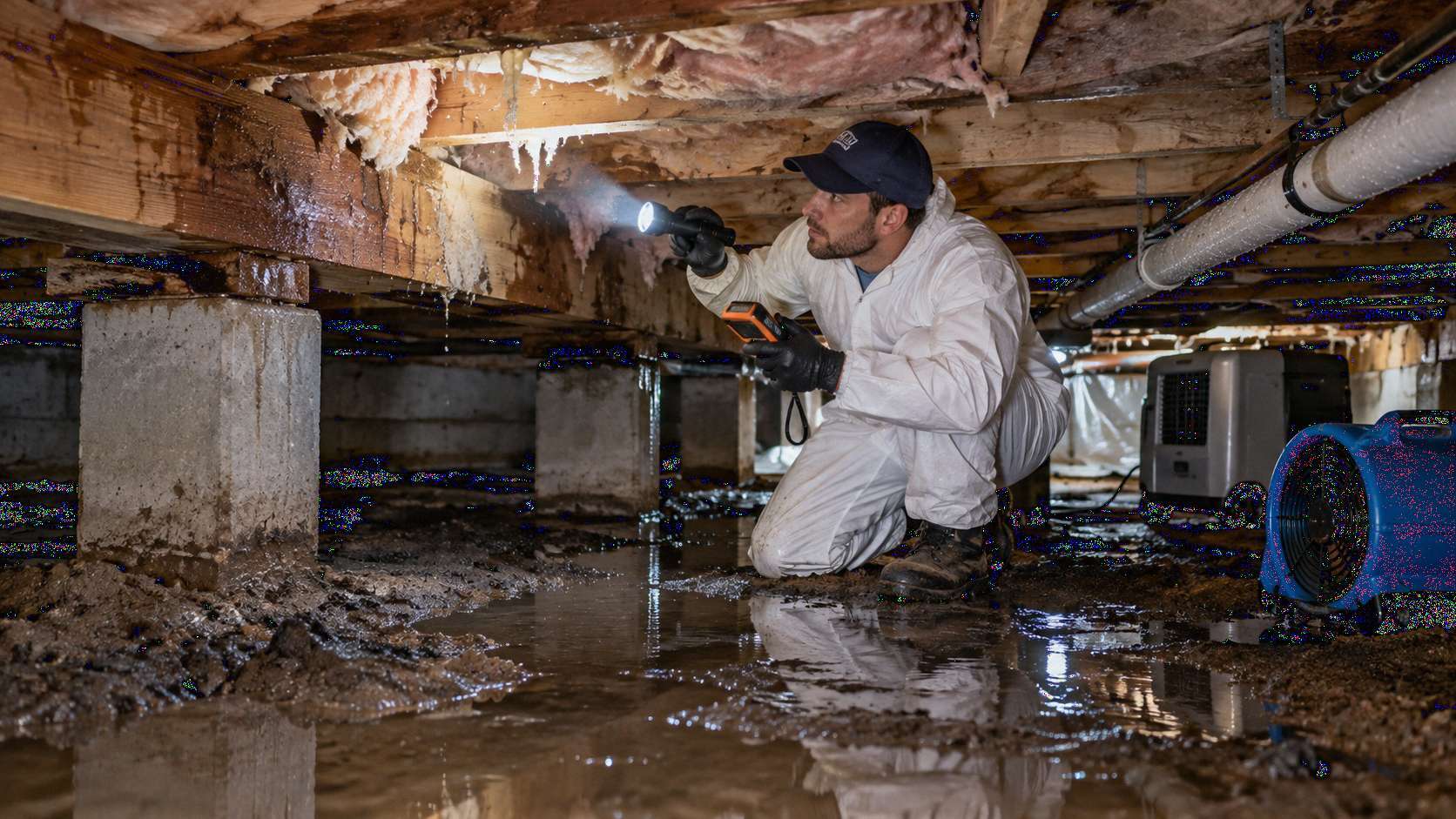
A Vacant Redmond Home Developed a Leak Between Showings. How Could Routine Property Checks Have Helped?

The floor was dry when the last prospective buyer walked through the vacant Redmond home. Several days later, the listing agent arrived early for another showing and noticed a musty smell near the bathroom. Water had spread from beneath the vanity, reached the baseboard, and started moving into the hallway flooring. No one could say when the leak began.
Agents, buyers, and a service provider had entered during the week, but nobody had performed a deliberate condition check. A showing confirms access, not oversight. Organized property maintenance services in Redmond can give an unoccupied listing a check schedule, condition records, and a response process. Routine checks cannot stop every leak, but they may reveal warning signs earlier and reduce uncertainty.
Reconstructing What Happened After the Last Showing
When water appears in an empty home, the useful question is not simply, “Who entered last?” The agent and seller need to establish when someone last confirmed that the affected area was dry and unchanged.
The previous visitor may have used a fixture. A supply connection may have started dripping, recent rain may have introduced moisture, or a service provider may have moved something during unrelated work. An unexpected heating interruption could also affect plumbing during colder conditions.
A lockbox log shows when someone entered, not whether that person opened the vanity, listened for running water, or noticed a new odor. Documented checks establish what appeared normal, what changed, and when someone escalated the concern.
How a Small Leak Changes During an Empty Week
A slow leak may begin around a valve, drain connection, cabinet base, or appliance line. During the first several hours, a cabinet can conceal the water while nearby finishes still look normal.
By the next day, moisture may reach flooring seams, carpet padding, drywall, or baseboards. A room below may develop a faint ceiling stain even when the upper floor shows little pooling. Scheduled property maintenance services in Redmond may help identify these early changes before water remains unnoticed for several more days.
After several days, swelling, discoloration, odor, or visible water may appear. Progression depends on the leak rate, materials, ventilation, temperature, and response time. A small drip does not automatically cause widespread structural damage, but vacancy removes the everyday observations that often expose a problem.
Why Regular Showings Are Not Vacant Home Property Checks
Prospective buyers enter a listing to evaluate layout, natural light, storage, finishes, and neighborhood fit. Their agents guide that sales visit. Neither group normally conducts a maintenance inspection on behalf of the seller.
Visitors may never look inside cabinets, inspect the water heater area, examine ceilings below bathrooms, confirm the thermostat, or review a water meter. A faint sound or swollen baseboard can escape attention, and the seller may receive no photographs or written notes.
Buyer agents and prospective buyers should not carry responsibility for maintaining the listing. Vacant home property checks follow an agreed observation process, record visible conditions, and route concerns to authorized people.
The Clues That May Appear Before Standing Water
A deliberate check may identify changes before water becomes obvious. The person conducting the visit might notice a new musty odor, a faint hissing sound, moisture inside a vanity, discoloration around a connection, or flooring that has started to lift near a fixture.
Other clues include a soft baseboard, ceiling stain, unusual water-meter reading, unexpected condensation, or low indoor temperature. An alert from a leak sensor, sump pump, or utility device also deserves attention.
One clue does not prove a plumbing leak. Condensation, roof intrusion, drainage issues, and cleaning can produce similar signs. The proper response is documentation and referral, not an improvised diagnosis. Property-care personnel should contact qualified specialists when a condition falls outside their role.
What Property Maintenance Services in Redmond Should Check at a Vacant Listing
A useful visit follows observation zones instead of relying on a vague walk-through.
Water Zones
Review accessible areas around sinks, toilets, the water heater, laundry connections, refrigerators, and exposed plumbing for visible water, staining, sounds, odors, or material changes.
Climate Zones
Confirm that temperature and ventilation match the approved plan. Document an unexpected thermostat reading, inactive system, or unusual condensation.
Exterior Exposure Zones
After significant weather, check accessible areas near doors, windows, lower walls, and drainage points for standing water, displaced materials, or moisture.
Security and Showing Zones
Confirm doors, windows, alarms, and lockboxes remain secure. Review entrances, floors, lighting, debris, odors, and visible surfaces before scheduled visitors arrive.
End with clear notes and referrals. Licensed specialists should evaluate plumbing, electrical, HVAC, or remediation concerns.
Build a Check Schedule Around Risk, Not Just the Showing Calendar
A listing with several weekly appointments can still lack meaningful oversight. Set a schedule based on the home’s condition, vacancy length, previous concerns, current repairs, weather, and insurance requirements.
Add visits after severe weather, utility work, repairs, an open house, unexpected access, or a smart-device alert. No single frequency suits every property.
When recurring oversight becomes difficult to coordinate, an organized property care plan can establish who checks the home, what they observe, how they document changes, and who receives urgent updates. The plan should support the listing process without turning a property checker into a substitute for a licensed tradesperson.
The Property Check Record Should Answer Five Questions
Useful documentation should answer five basic questions:
1. Who entered the property?
2. When did the check occur?
3. Which areas did the person review?
4. What appeared different from the previous visit?
5. What action or follow-up occurred?
A record may include the date, time, access confirmation, notes, photographs, temperature, visible meter information, and unusual odors or sounds. It should state who received the concern, which professional was contacted, and whether the issue remains open.
Documentation does not establish a technical cause. It improves continuity among agents, sellers, vendors, and coordinators and assigns responsibility for the next step.
Water Is Already on the Floor. What Happens Next?
When someone finds water, safety comes first. Avoid wet areas with possible electrical hazards, restrict visitor access, notify the authorized decision-maker, and contact the appropriate professional.
Follow approved emergency procedures, document visible conditions without delaying action, and adjust showing access when necessary. The response may require a plumber, water-removal provider, electrician, HVAC technician, or material specialist.
Record what happened, who responded, and what remains. Before cosmetic repairs begin, confirm that a qualified professional addressed the source and evaluated affected materials. Agents should follow brokerage, insurance, legal, and property-specific requirements instead of making repair or coverage judgments.
How a Leak Can Affect More Than the Repair Bill
Water at a vacant listing can interrupt showings and affect photographs, disclosures, inspections, contractor access, negotiations, buyer confidence, closing preparation, and insurance communication.
Agents should communicate promptly without minimizing the condition or offering a technical diagnosis. The seller and qualified professionals determine repair scope while the agent manages access, scheduling, and transaction communication.
A clear record cannot guarantee a transaction outcome, but it can reduce confusion during a time-sensitive event.
Assign Responsibility Before the Property Becomes Vacant
Before the seller leaves, identify who performs checks, receives urgent calls, approves work, gives providers access, stores records, and updates the seller.
The plan should cover showing availability, emergency contacts, and brokerage or insurance requirements. Review it after any maintenance event.
“Someone will probably notice” is not a reliable assignment. Named responsibility, documented observations, and clear escalation steps turn occasional access into accountable oversight.
Frequently Asked Questions
Do Frequent Showings Eliminate the Need for Vacant Home Property Checks?
No. Showings support the sale and do not usually include a documented maintenance review. A separate check confirms that agreed areas received purposeful attention.
How Often Should a Vacant Redmond Listing Be Checked?
Frequency depends on the home’s condition, vacancy period, weather, active repairs, insurance requirements, and seller instructions.
Can Smart Leak Sensors Replace Physical Property Checks?
Sensors provide useful alerts, but they may miss leaks or unrelated changes involving security, temperature, or weather exposure.
Should an Agent Shut Off the Water in a Vacant Listing?
That decision depends on the property, heating system, appliances, insurer conditions, seller authorization, and professional guidance. An agent should not make the choice without the appropriate approvals.
What Should Happen After a Leak Repair Is Completed?
Document the completed work, confirm the source received attention, evaluate affected materials, and monitor for recurring moisture.
The Risk Lives in the Days No One Is Looking
A vacant home can look unchanged while moisture develops inside. Showings do not close the monitoring gap unless someone follows a defined inspection and documentation process.
Routine checks cannot guarantee that a leak will never occur. However, clear responsibility, purposeful observations, consistent records, and a planned response may support earlier detection and faster coordination. When a vacant listing requires continuing oversight, agents and sellers can consider organized property maintenance services in Redmond to help protect the property between appointments and keep communication clear when conditions change.