The Inspection Found Water in the Crawl Space. Should You Still Buy the Lynnwood Home?
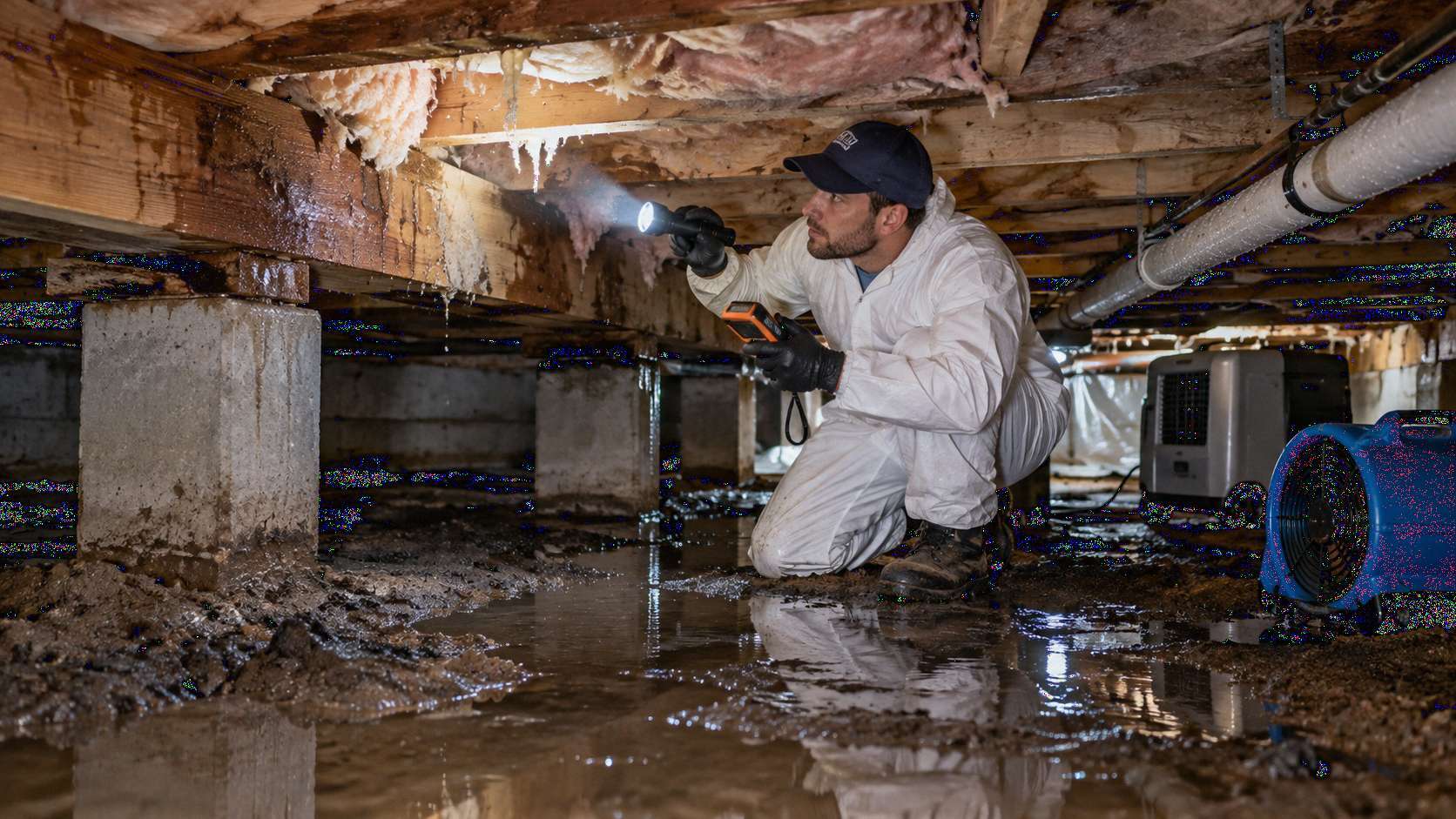
A promising home inspection can take an uncomfortable turn when the inspector finds damp soil, water stains, or standing water beneath the house. Buyers may immediately worry about mold, foundation damage, repair costs, and whether they should cancel the purchase.
Water in a crawl space deserves careful attention, especially in Lynnwood and the broader Puget Sound region, where extended wet weather can expose drainage and moisture-control problems. However, the finding does not automatically make the property unsuitable. The source of the water, how long it has remained, and what it has damaged matter more than the visible moisture alone.
Before deciding, buyers should gather evidence from qualified professionals. An inspector can document the condition, appropriate specialists can investigate its cause, and a local real estate broker in Lynnwood can help coordinate access, negotiations, and transaction deadlines.
Is Water in a Crawl Space Always a Deal Breaker?
No. Crawl-space moisture can result from a relatively contained plumbing leak or a more complicated drainage, groundwater, or foundation problem.
Common causes include:
- Leaking supply or drainpipes
- Damaged or disconnected downspouts
- Roof runoff collecting near the foundation
- Soil that slopes toward the house
- Inadequate exterior drainage
- Foundation cracks or utility openings
- High groundwater
- Condensation
- Previous flooding
- Failed or incomplete repairs
Buyers should not make their decision based only on how much water they can see. A small puddle from a recurring plumbing leak may cause more damage over time than a larger but isolated spill. The underlying cause determines the likely repair method, urgency, and expense.
1. Identify the Source of the Water
A careful crawl space inspection should document where the water appears and what conditions surround it.
Water directly below a plumbing connection may indicate a leak. Moisture concentrated along a foundation wall after rain may point toward poor grading, short downspouts, or exterior drainage problems. Standing water across a larger area may require further investigation into groundwater or foundation drainage.
Removing the water does not solve the problem if the source remains active. Pumping out the area, adding a dehumidifier, or covering the soil may temporarily improve its appearance, but those steps cannot repair a leaking pipe or redirect runoff.
Buyers should request a written explanation of the likely source and ask what evidence supports that conclusion.
2. Determine Whether the Condition Is Active or Historical
The next step involves establishing whether the problem happened once, continues today, or returns during rainy periods.
Buyers can ask:
- Was water present during relatively dry weather?
- Had Lynnwood recently received substantial rain?
- Do the walls show water stains or mineral deposits?
- Does the area smell consistently musty?
- Has the seller completed previous drainage work?
- Do repair invoices, permits, or warranties exist?
- Did an earlier inspection report similar conditions?
A dry crawl space during a second visit does not prove that someone corrected the issue. Water may recede after rainfall decreases. Documentation from previous work and an evaluation of current conditions can provide a clearer history.
3. Check for Damage Beyond the Visible Water
Moisture can affect other parts of the home before buyers notice obvious structural changes. Depending on the severity and duration, professionals may need to evaluate:
- Floor joists, posts, and beams
- Subflooring
- Insulation and vapor barriers
- Plumbing lines
- Electrical connections
- Heating ducts
- Metal fasteners and supports
- Foundation materials
Persistent dampness can damage insulation, contribute to wood decay, and corrode metal components. Air may also move from the crawl space into occupied rooms, making long-term moisture relevant to indoor conditions.
A general inspector may identify warning signs but recommend additional evaluation when the concern falls outside the inspection’s scope. Buyers should follow those recommendations instead of asking one professional to diagnose every potential problem.
4. Investigate Mold, Wood Decay, and Pest Activity
Prolonged moisture can support fungal growth and wood deterioration. Damp areas may also attract pests that prefer moist or damaged materials.
However, visible discoloration does not automatically confirm mold or establish its severity. Buyers should rely on an appropriately qualified professional when the inspection reveals suspicious growth, softened wood, or evidence of pest activity.
Any remediation plan should correct the moisture source. Cleaning affected surfaces or replacing wet insulation may offer only temporary results when water continues to enter the crawl space.
5. Confirm That the Repair Addresses the Cause
The appropriate repair depends on the source. Recommendations may include:
- Extending or reconnecting downspouts
- Correcting exterior grading
- Repairing plumbing leaks
- Improving exterior drainage
- Sealing specific foundation openings
- Installing a professionally recommended drainage or sump system
- Replacing damaged insulation or vapor barriers
- Repairing deteriorated framing
A new vapor barrier can help control ground moisture, but it cannot repair a leaking pipe or stop runoff from collecting beside the foundation. Buyers should ask how each proposed measure connects to the documented cause.
What Should Buyers Request After the Inspection?
When buying a home in Lynnwood, buyers should collect enough information to understand the condition, repair scope, and financial risk.
Helpful documentation may include:
- The complete inspection report
- Clear photographs
- Available moisture readings
- A specialist’s written evaluation
- An explanation of the likely water source
- Itemized repair estimates
- Details about previous incidents or repairs
- Relevant permits, invoices, and warranties
- A follow-up inspection when appropriate
The estimates should separate essential corrective work from optional improvements. They should also account for damage that may require attention after a contractor stops the water source.
How a Local Real Estate Broker in Lynnwood Can Assist
A local real estate broker in Lynnwood can help buyers manage the transaction after a moisture finding. Depending on the purchase agreement and circumstances, the broker may:
- Coordinate access for additional evaluations
- Communicate questions to the seller’s representative
- Organize estimates and repair proposals
- Track inspection and response deadlines
- Help prepare a repair or credit request
- Compare the property with other available homes
- Coordinate questions for the lender or insurance provider
A broker does not diagnose structural, drainage, mold, or environmental concerns. Inspectors and specialists should provide technical findings, while the broker helps the buyer understand and carry out available transaction steps.
Should the Seller Complete the Repairs?
Seller-completed repairs may reduce the buyer’s immediate expense and resolve the concern before closing. However, the seller may select the contractor and control the scope of work. Transaction deadlines may also encourage the fastest acceptable solution rather than the buyer’s preferred approach.
When requesting repairs, buyers may ask for:
- A written scope of work
- An appropriately qualified contractor
- Paid invoices
- Required permits
- Transferable warranties
- Reinspection rights when available
A follow-up inspection can help confirm what work the contractor completed. Buyers should not assume that a repaired surface or dry crawl space proves that the original source no longer exists.
Would a Seller Credit or Price Reduction Work Better?
Each negotiation option affects the buyer differently.
A seller credit may help with allowable closing costs, subject to lender and contract limits. However, it may not provide cash for repairs after closing.
A price reduction lowers the purchase price, but it may produce only a modest change in the monthly payment. That reduction may not help when the buyer must fund urgent work immediately after taking ownership.
A buyer-managed repair provides greater control over contractor selection and project scope. It also places the cost, scheduling responsibility, and risk on the buyer after closing.
Buyers should review these options with their broker and lender. No single approach works best for every property or financial situation.
When Might Walking Away Be the Safer Choice?
A buyer may need to reconsider the purchase when:
- Specialists cannot identify the source.
- Evaluations reveal substantial structural damage.
- Repair costs exceed the buyer’s financial comfort.
- The seller refuses reasonable access for further evaluation.
- Records show that previous repairs repeatedly failed.
- The condition creates financing or insurance problems.
- The inspection timeline prevents adequate investigation.
- The proposed work conceals symptoms without correcting the cause.
- The buyer feels pressured to accept unresolved uncertainty.
The purchase agreement controls whether and how a buyer may cancel. Buyers should follow its deadlines and seek legal guidance when questions extend beyond a broker’s role.
When Could the Home Still Be Worth Buying?
The property may remain a reasonable purchase when:
- Qualified professionals identify the source.
- The damage appears limited and repairable.
- Written estimates establish a realistic cost.
- The repair plan addresses the cause.
- Negotiated terms reflect the property’s condition.
- Financing and insurance remain available.
- The buyer maintains adequate financial reserves.
- A follow-up inspection supports the completed work.
No repair guarantees that a crawl space will remain problem-free forever. However, clear findings, defined costs, and an appropriate repair plan can reduce uncertainty.
Questions to Ask Before Removing the Inspection Contingency
Before proceeding, buyers should answer these questions:
- What caused the water?
- Does the source remain active?
- How long has the condition likely existed?
- Has moisture damaged framing, insulation, ducts, wiring, or plumbing?
- Does the home require another specialist evaluation?
- Will the proposed repair address the source?
- What will the work likely cost?
- Who will complete and verify the repairs?
- Could the condition affect financing, insurance, or resale?
- Do the proposed terms fit the buyer’s budget and risk tolerance?
Making an Informed Decision When Buying a Home in Lynnwood
Crawl-space water calls for investigation, not immediate panic or dismissal. Buyers should identify the source, understand any resulting damage, collect written estimates, and confirm that the proposed solution addresses the actual problem.
Anyone buying a home in Lynnwood should avoid removing the inspection contingency or accepting repair terms before reviewing the available evidence. Inspectors and qualified specialists can evaluate the property, while a local real estate broker in Lynnwood can coordinate transaction steps and keep important deadlines visible.
The right decision may involve proceeding, renegotiating, requesting further evaluation, or walking away. Professional findings, realistic repair costs, contract rights, and personal risk tolerance should guide that choice.
Frequently Asked Questions
Is crawl-space water common during Lynnwood’s rainy season?
Wet weather can expose grading, runoff, foundation, and drainage problems. Buyers should not assume that standing water is harmless simply because the Puget Sound region receives frequent rain.
Can a home inspector identify exactly where the water originated?
An inspector may identify evidence and possible sources. Some conditions require further evaluation by a plumber, drainage contractor, structural engineer, or another qualified specialist.
Is a new vapor barrier a complete repair?
Not necessarily. A vapor barrier can help control ground moisture, but it cannot correct a plumbing leak, poor grading, foundation entry point, or exterior drainage failure.
Can crawl-space water affect financing or insurance?
Significant moisture damage, structural concerns, suspected mold, or incomplete repairs may create financing or insurance questions. Buyers should consult their lender and insurance provider before proceeding.
Should buyers cancel after finding water in the crawl space?
Not automatically. Buyers should consider the cause, damage, repair cost, professional findings, contract rights, financing requirements, and personal risk tolerance.