

You step toward the shower, lift one foot over the edge, and automatically reach for the wall. Maybe you have done it for so long that you barely notice anymore. The tile feels slippery, the threshold seems higher than it used to, or balancing on one foot has simply become less comfortable. That small habit can tell you something about your bathroom. A shower should not require you to brace yourself against a wall, towel bar, vanity, or glass door just to get inside. For Littleton homeowners planning a bathroom update, the way a shower is designed can matter just as much as how it looks. A well-planned shower installation in Littleton can address awkward entry points, slippery surfaces, limited space, and other features that make an everyday shower more difficult than necessary. When Did Getting Into the Shower Become So Awkward? Most shower-access problems do not appear overnight. You may have stepped over the same tub wall or shower curb without thinking about it for years. Gradually, however, lifting one leg while shifting your weight to the other can start requiring more effort. The shower itself may also contribute to the problem. Common obstacles include: Temporary injuries can make these problems noticeable, too. A sore knee, ankle injury, reduced flexibility, or balance issue can quickly reveal how much movement an older shower requires. If you regularly stop, steady yourself, and then step inside, it may be worth looking at the shower layout rather than simply adapting to it. What Are You Grabbing for Support? Pay attention to where your hand goes when you enter or leave the shower. Is it the wall? The edge of the glass enclosure? A towel bar? The vanity? Those surfaces may feel convenient, but they do not necessarily provide dependable support. A towel bar, for example, serves a very different purpose from a properly anchored grab bar. Shower glass and door hardware also should not become improvised handholds. You may also notice other changes in the way you use the bathroom: These habits can help identify which parts of the shower deserve attention during a renovation. A Lower Entry Can Remove an Unnecessary Obstacle...
Day: September 16, 2026
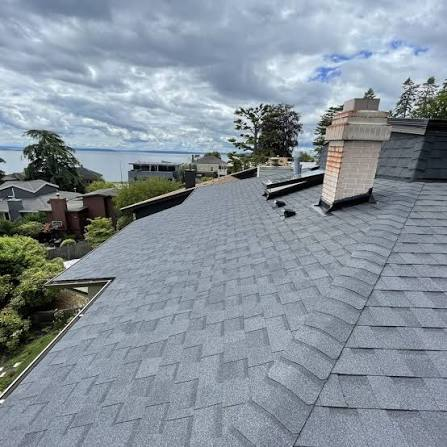
A roof can look perfectly normal through most of summer and then seem noticeably different as September arrives. You may spot a dark streak that was not obvious a few months ago, a green tint near the lower edge, or one roof slope that suddenly looks darker than the others. For Lynnwood homeowners, these changes are worth noticing. A roof’s appearance can shift because of algae, moss, lichen, accumulated debris, shade, moisture, or normal material aging. Some changes affect appearance more than performance, while others can develop alongside conditions that deserve closer attention. That does not mean every dark or green patch requires immediate roof cleaning in Lynnwood. The more useful first step is to consider what the discoloration looks like, where it appears, and whether other changes are happening around it. September offers a practical time to make that assessment before wetter fall conditions become more established. Why Can Your Roof Start Looking Different in September? Roof discoloration rarely develops overnight, even when it seems to appear suddenly from the ground. Throughout summer, dust, pollen, leaves, needles, and other organic material can collect on a roof. Shaded sections may also dry more slowly after morning moisture or light rain, creating different surface conditions from areas that receive more direct sunlight. As the season changes, existing algae, moss, lichen, or debris buildup may become easier to notice. The location of the color change can provide useful clues. A green area beneath an overhanging tree may develop for different reasons than a dark streak across an open roof slope. Similarly, one consistently shaded section may look different from another part of the same roof that receives more sunlight and airflow. For that reason, the pattern of discoloration often tells you more than the color alone. What Can Dark, Green, or Patchy Areas Mean? Not every type of roof discoloration has the same cause. Dark streaks may develop because of biological growth, accumulated dirt, runoff patterns, or differences in how sections of the roofing material weather. They may also become more noticeable where the roof stays damp longer. Green discoloration often raises concerns about moss, but moss is not the only possibility. Algae, lichen, and organic debris can create similar changes when viewed from the ground. The appearance of the growth can sometimes provide additional context. Moss generally becomes thicker and more visible as it develops. It can retain moisture and may grow around shingle edges. Lichen tends to form distinct patches that attach firmly to the roof surface, while algae often appears flatter and more stain-like. This distinction matters because a roof should not automatically receive the same treatment simply because it looks green or dark. The roofing material, age, physical condition, and type of buildup all affect what kind of maintenance may be appropriate....
You plug your phone charger into the wall, but nothing happens. You lift the plug slightly, and the phone suddenly starts charging. Let go, and the connection disappears again. After a few tries, you find the exact position that keeps the power flowing. It may seem like a minor inconvenience, especially when the outlet still technically “works.” But a receptacle should maintain a steady electrical connection without requiring you to tilt, push, or hold a plug in place. For homeowners who need electrical outlet repair in Everett, this symptom can point to worn internal contacts, a loose connection, receptacle damage, or even a problem with the plug itself. The way the outlet behaves can offer useful clues about what is happening. Why Does the Outlet Work at One Angle but Not Another? Inside a standard receptacle, metal contacts grip the blades of a plug and create the connection that allows electricity to flow. Over time, those contacts can lose some of their gripping strength. Repeatedly connecting and disconnecting chargers, lamps, vacuum cleaners, kitchen appliances, and other devices gradually places mechanical wear on the receptacle. Once the contacts loosen, a plug may no longer sit firmly enough to maintain consistent contact. Tilting it can temporarily press the blades against a contact point, making the device work again. That does not mean the outlet has corrected itself. The change in position simply creates a temporary connection. What Else Can Cause an Intermittent Outlet? Worn contacts are common, but they are not the only possible explanation. Loose Electrical Connections The problem may be behind the receptacle rather than at the plug opening. Electrical conductors connect the outlet to its circuit. If one of those connections becomes loose, power may become intermittent. Movement from inserting or adjusting a plug can sometimes affect the connection enough to make a device turn on or off. Loose connections deserve attention because poor electrical contact can create resistance and unwanted heat. Physical Damage to the Receptacle An outlet can also develop internal damage even when its face looks relatively normal. Years of use, repeated force, accidental impacts, or improper plug removal can damage internal components. You may notice that the receptacle moves, no longer grips plugs securely, or cuts power when touched....