
Introduction & Background
Modern home design has evolved far beyond mere aesthetics, focusing instead on creating spaces that are both functional and stylish. In today’s fast-paced world, homeowners seek environments that not only reflect their personal tastes but also enhance their daily lives. The fusion of form and function in contemporary design has led to innovative solutions that maximize space, improve efficiency, and elevate visual appeal. Whether you are renovating an existing property or building from scratch, understanding how to blend these two elements can transform your living experience. This article explores ten inspiring modern home design ideas that seamlessly integrate practicality with elegance, offering inspiration for anyone looking to reimagine their space.
Concept & Overview
Modern home design is rooted in the principle that every element of a home should serve a purpose while contributing to the overall beauty of the space. The core idea is to eliminate unnecessary clutter and prioritize smart layouts, sustainable materials, and minimalist aesthetics. Designers and architects today emphasize open-plan living, natural light integration, and multi-functional furniture to create homes that are both beautiful and livable. The trend leans toward simplicity, with clean lines, neutral color palettes, and a focus on creating a harmonious balance between technology and nature. By embracing these concepts, homeowners can achieve a space that is not only visually striking but also highly functional.
Key Features & Highlights
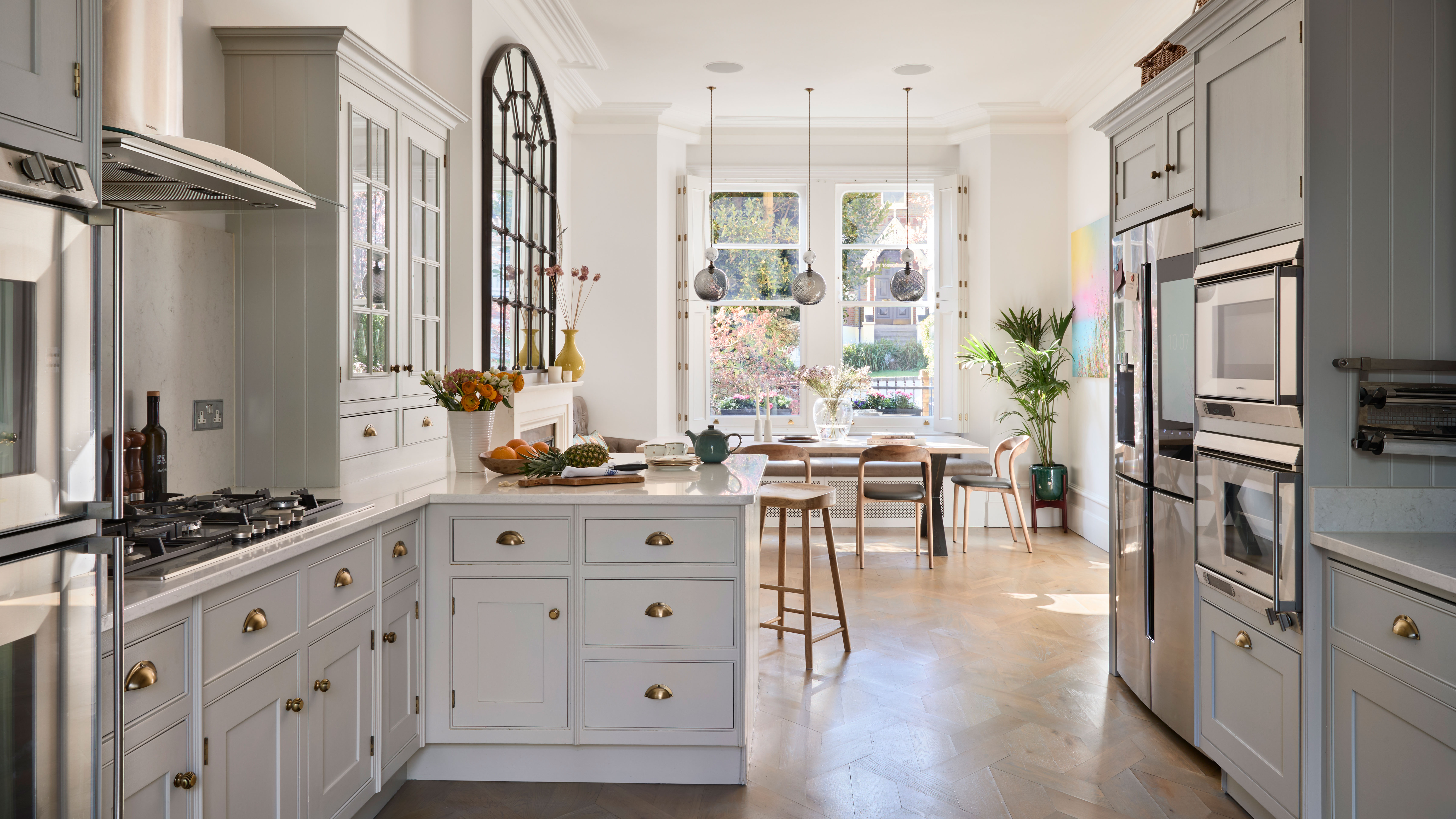
- Open-Plan Living Areas: Removing unnecessary walls to create spacious, interconnected living, dining, and kitchen areas promotes better flow and communication among family members.
- Smart Storage Solutions: Built-in cabinets, under-stair storage, and modular shelving help keep spaces tidy while maintaining a sleek appearance.
- Natural Light Maximization: Large windows, skylights, and glass doors allow sunlight to flood interiors, reducing energy costs and creating a bright, inviting atmosphere.
- Multi-Functional Furniture: Pieces like sofa beds, extendable dining tables, and storage ottomans serve multiple purposes without sacrificing style.
- Sustainable Materials: Using eco-friendly materials such as reclaimed wood, bamboo flooring, and recycled metals reduces environmental impact while adding a unique touch.
- Indoor-Outdoor Connection: Design elements like sliding glass doors, patios, and vertical gardens blur the boundaries between indoor and outdoor spaces.
- Minimalist Aesthetics: Clean lines, neutral colors, and uncluttered surfaces create a calming, modern look that is easy to maintain.
- Technology Integration: Smart home systems, energy-efficient appliances, and automated lighting enhance convenience and sustainability.
- Bold Accent Colors: While neutral tones dominate modern design, strategic use of vibrant colors in artwork, furniture, or textiles adds personality and depth.
- Outdoor Living Spaces: Rooftop gardens, cozy balconies, and compact backyards are designed to extend living areas and provide relaxation spots.
Frequently Asked Questions / Pros & Cons
What makes modern home design different from traditional styles?
Modern home design prioritizes simplicity, functionality, and minimalism, often featuring open spaces and clean lines. Traditional styles, on the other hand, lean toward ornate details, richer textures, and more compartmentalized layouts. Modern design focuses on practicality and adaptability, making it ideal for contemporary lifestyles.
Are open-plan homes always the best choice?
Open-plan layouts offer many benefits, such as improved social interaction and a sense of spaciousness. However, they may not suit everyone, especially those who value privacy or have specific room functions, like a home office or a quiet reading nook. Careful planning is essential to balance openness with practicality.
How can I incorporate sustainable materials without compromising style?
Many sustainable materials, like bamboo, recycled glass, and reclaimed wood, come in sleek, modern finishes. Look for designs that highlight the natural beauty of these materials, such as exposed wooden beams or polished concrete floors. Pairing them with minimalist furniture and neutral tones can create a stylish yet eco-conscious space.
What are the main drawbacks of modern home design?
One potential drawback is the lack of warmth or coziness that some traditional styles provide. Modern homes can sometimes feel cold or sterile if not properly accessorized. Additionally, the emphasis on minimalism may lead to higher upfront costs for high-quality, functional furniture and materials. Proper planning and thoughtful decor can overcome these challenges.
Is it expensive to implement modern design ideas?
Modern design can be adapted to fit various budgets. While high-end materials and smart home technology can be costly, there are many affordable alternatives, such as modular furniture and energy-efficient lighting. Prioritizing key features and gradually incorporating others can make modern design accessible to more homeowners.
Practical Guidance & Solutions
If you are ready to embrace modern home design, start by assessing your space and identifying your priorities. Focus on decluttering and creating a clean, open layout. Invest in multi-functional furniture to maximize space, and consider integrating smart storage solutions like built-in cabinets or hidden compartments.
To enhance natural light, opt for light-colored walls and sheer window treatments. If privacy is a concern, use frosted glass or strategically placed plants. For a touch of personality, incorporate bold accent colors through artwork, textiles, or furniture pieces. Don’t forget to integrate technology, such as smart thermostats or automated lighting, to improve efficiency and convenience.
Lastly, think about sustainability. Choose materials that are durable and eco-friendly, and consider adding indoor plants to improve air quality and bring a touch of nature indoors. By taking these steps, you can create a modern home that is both stylish and perfectly suited to your lifestyle.
Conclusion
Modern home design is all about finding the perfect balance between function and style, creating spaces that are not only beautiful but also practical and livable. By embracing open layouts, smart storage, sustainable materials, and innovative technology, you can transform your home into a sanctuary that meets all your needs. Whether you are drawn to minimalist aesthetics or bold accent colors, the key is to design with intention and purpose. As you embark on your modern design journey, remember that the best spaces are those that reflect your personality while enhancing your everyday life. With these inspiring ideas, your dream home is within reach.
About the Author