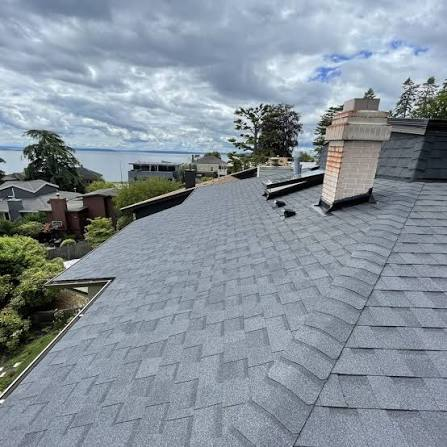
A roof can look perfectly normal through most of summer and then seem noticeably different as September arrives. You may spot a dark streak that was not obvious a few months ago, a green tint near the lower edge, or one roof slope that suddenly looks darker than the others.
For Lynnwood homeowners, these changes are worth noticing. A roof’s appearance can shift because of algae, moss, lichen, accumulated debris, shade, moisture, or normal material aging. Some changes affect appearance more than performance, while others can develop alongside conditions that deserve closer attention.
That does not mean every dark or green patch requires immediate roof cleaning in Lynnwood. The more useful first step is to consider what the discoloration looks like, where it appears, and whether other changes are happening around it.
September offers a practical time to make that assessment before wetter fall conditions become more established.
Why Can Your Roof Start Looking Different in September?
Roof discoloration rarely develops overnight, even when it seems to appear suddenly from the ground.
Throughout summer, dust, pollen, leaves, needles, and other organic material can collect on a roof. Shaded sections may also dry more slowly after morning moisture or light rain, creating different surface conditions from areas that receive more direct sunlight.
As the season changes, existing algae, moss, lichen, or debris buildup may become easier to notice.
The location of the color change can provide useful clues. A green area beneath an overhanging tree may develop for different reasons than a dark streak across an open roof slope. Similarly, one consistently shaded section may look different from another part of the same roof that receives more sunlight and airflow.
For that reason, the pattern of discoloration often tells you more than the color alone.
What Can Dark, Green, or Patchy Areas Mean?
Not every type of roof discoloration has the same cause.
Dark streaks may develop because of biological growth, accumulated dirt, runoff patterns, or differences in how sections of the roofing material weather. They may also become more noticeable where the roof stays damp longer.
Green discoloration often raises concerns about moss, but moss is not the only possibility. Algae, lichen, and organic debris can create similar changes when viewed from the ground.
The appearance of the growth can sometimes provide additional context.
Moss generally becomes thicker and more visible as it develops. It can retain moisture and may grow around shingle edges. Lichen tends to form distinct patches that attach firmly to the roof surface, while algae often appears flatter and more stain-like.
This distinction matters because a roof should not automatically receive the same treatment simply because it looks green or dark. The roofing material, age, physical condition, and type of buildup all affect what kind of maintenance may be appropriate.
Why Does One Part of a Lynnwood Roof Change Color Faster Than Another?
It is common for one roof slope to look noticeably different from the rest.
Sunlight, tree coverage, roof orientation, airflow, and surrounding vegetation can create different conditions across the same roofing system. One section may dry relatively quickly, while another remains shaded and damp for longer periods.
Homeowners may notice more discoloration:
- Beneath or near overhanging branches
- Along valleys where debris collects
- Around chimneys and roof penetrations
- Near gutters and lower roof edges
- On consistently shaded slopes
- In areas where leaves or needles remain trapped
Tree debris can make these differences more noticeable. Leaves, needles, twigs, and seed material often settle in valleys, behind chimneys, and along roof edges. When that material remains damp, it can contribute to conditions that support biological growth.
Accumulated debris can also interfere with normal drainage when enough of it gathers in one location.
For that reason, a darker or greener section does not automatically mean the roofing material has failed. It does, however, give homeowners a reason to pay closer attention to drainage, debris, shade, and the condition of the surrounding shingles.
When Is Roof Discoloration More Than a Cosmetic Concern?
Color alone cannot tell you whether a roof has a serious problem.
A dark stain may remain primarily a surface issue. The same discoloration becomes more important when it appears alongside physical changes to the roof.
Watch for:
- Thick moss developing around shingle edges
- Cracked, curled, loose, or missing shingles
- Heavy debris collecting in roof valleys
- Excessive granules appearing in gutters
- Damaged or deteriorated flashing
- Areas that remain visibly damp longer than surrounding surfaces
- Sagging or uneven sections of the roof
- Water stains in the attic or on interior ceilings
These signs provide more information than discoloration by itself.
For example, a dark patch with otherwise intact roofing may require a different response from a dark area surrounded by lifted shingles or accompanied by interior moisture staining. The surrounding condition of the roof helps determine whether you are looking at surface buildup, routine aging, or something that deserves further evaluation.
Where Does Roof Cleaning Fit Into Fall Maintenance?
Cleaning can play a useful role when moss, algae, lichen, or accumulated organic material has become established, but the cleaning method should fit the condition of the roof.
The goal should not simply be to make every shingle look new again.
Aggressive cleaning methods can affect some roofing materials. High-pressure washing, forceful scraping, or inappropriate cleaning products may damage shingles or disturb protective surface granules. For that reason, the appropriate approach depends on the roofing material, its age and condition, and the type and extent of buildup.
A roof that has changed color may benefit from an evaluation before anyone decides how to clean it.
In some situations, removing debris and treating biological growth may be appropriate. In others, discoloration may appear alongside material deterioration or another roofing issue that cleaning alone cannot correct.
That distinction is important because roof cleaning in Lynnwood works best as part of a broader maintenance approach rather than as an automatic response to every visible stain.
Why Is September a Useful Time to Check Your Roof?
September sits at a useful transition point for roof maintenance in Lynnwood.
Summer may leave behind pollen, dust, needles, leaves, and other organic material. As fall approaches, moisture management and clear drainage paths become increasingly important.
This makes September a practical time to look at how the roof handled summer and whether any conditions deserve attention before the wetter months progress.
A seasonal check may reveal developing moss, debris-filled valleys, clogged gutters, damaged shingles, or deteriorated flashing. It can also give homeowners a useful reference point for monitoring discoloration.
If one section already appears noticeably darker or greener, you can observe whether the condition remains stable or continues spreading as seasonal conditions change.
What Can You Safely Check From the Ground?
You do not need to walk across the roof to make a useful preliminary assessment. In many cases, viewing the roof from the ground provides enough information to identify changes that deserve a closer look.
Walk around the property where visibility allows and observe the roof from several angles. Different lighting and viewing positions may make some conditions easier to notice.
Pay attention to:
- Changes in color. Look for new dark, green, black, or unusually light areas.
- Growth patterns. Notice whether moss or other growth appears concentrated beneath trees or on shaded slopes.
- Accumulated debris. Check visible valleys, roof edges, and gutters for leaves, needles, or branches.
- Shingle condition. Look for obvious curling, lifting, cracking, or missing shingles.
- Flashing areas. Observe visible sections around chimneys, vents, skylights, and roof intersections.
- Gutters and downspouts. Watch for overflowing sections, visible blockages, or vegetation growing from the gutters.
- Interior warning signs. If accessible, check for unexplained ceiling marks or visible attic staining that may suggest a moisture issue.
Older photos of your home can also provide a useful comparison. A change that seems minor today may become easier to recognize when compared with how the same roof slope looked several months or years earlier.
The purpose of this check is not to diagnose the roof yourself. It is to notice meaningful changes and determine whether professional evaluation may be appropriate.
Should Every Discolored Roof Be Cleaned Right Away?
No. Discoloration does not automatically mean a roof needs immediate cleaning.
Some staining may primarily affect appearance, while other changes may occur alongside moss, trapped debris, aging materials, or drainage concerns. Cleaning also cannot correct every roofing problem.
If shingles have cracked, lifted, curled, or deteriorated, removing surface staining will not restore their condition. Similarly, cleaning the visible roofing material will not repair damaged flashing or resolve an underlying moisture problem.
Before arranging roof cleaning, it makes sense to understand what caused the color change and whether the roof shows any related signs of deterioration.
That approach helps homeowners avoid treating every discoloration as the same problem.
What Should Lynnwood Homeowners Take Away From a Changing Roof Color?
A changing roof color does not automatically mean your roof is failing. However, it can tell you something about how different sections of the roof respond to shade, moisture, debris, biological growth, and normal weathering.
September provides a practical opportunity to notice those patterns before fall conditions become more established.
Look at where the discoloration appears, whether it seems to be spreading, and whether physical changes accompany it. Surface staining may require little more than observation or appropriate maintenance, while thick moss, trapped debris, damaged shingles, drainage problems, or moisture warning signs deserve closer attention.
When roof cleaning in Lynnwood is appropriate, the method should suit the roofing material and its current condition. Understanding what caused the color change first can help you choose the right maintenance approach while protecting the roof for the seasons ahead.
About the Author