
How a Construction Line of Credit Helps Builders Manage Cash Flow
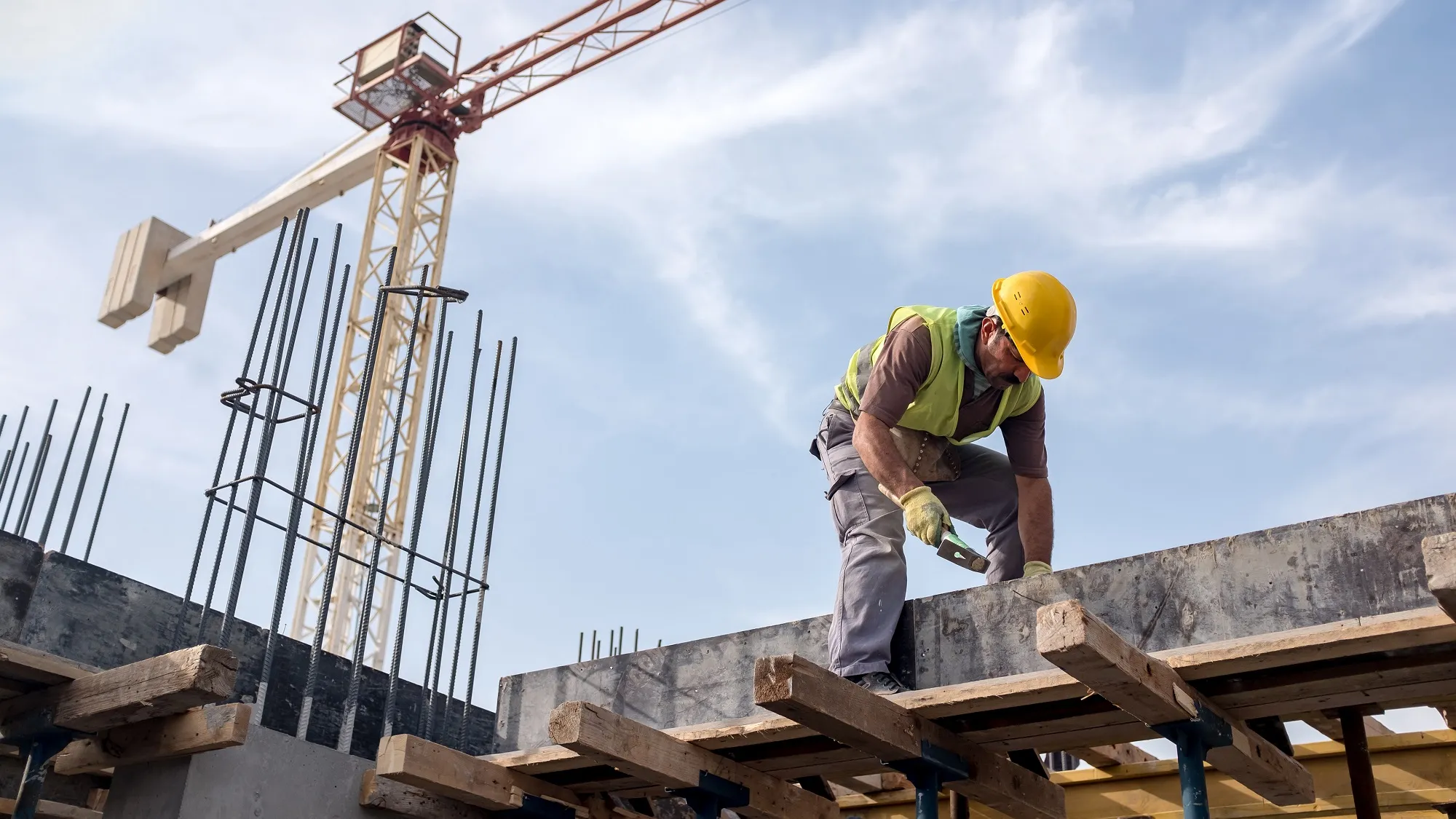
Cash flow management is one of the most persistent challenges builders face. Construction projects demand significant upfront spending on materials, labor, permits, and equipment, while client payments often arrive later based on milestones or invoice cycles. Even profitable builders can struggle financially if cash inflows and outflows are not properly aligned. This is where a construction line of credit becomes a practical and powerful financial tool.
This article explains how a construction line of credit helps builders stabilize cash flow, avoid project delays, and operate more efficiently.
Understanding Cash Flow Challenges in Construction
Construction cash flow is inherently uneven. Builders must often pay expenses weeks or months before receiving payment. Common cash flow pressure points include:
- Purchasing materials before work begins
- Weekly or bi-weekly payroll obligations
- Subcontractor payments due on tight schedules
- Delayed client approvals or inspections
- Seasonal slowdowns affecting incoming revenue
Without sufficient working capital, these issues can disrupt operations, damage supplier relationships, or force builders to decline new projects.
What Is a Construction Line of Credit?
A construction line of credit is a revolving financing option that allows builders to borrow funds as needed, up to a pre-approved limit. Unlike a traditional loan, it does not require taking the full amount upfront. Interest is charged only on the funds used, making it a cost-efficient solution for short-term financing needs.
Once borrowed funds are repaid, the available credit is restored, allowing builders to reuse it throughout the credit term.
How a Construction Line of Credit Improves Cash Flow
Covers Upfront Project Costs
Builders often need to purchase materials, secure permits, and mobilize labor before receiving any client payments. A construction line of credit provides immediate access to funds, ensuring projects can start on time without waiting for cash inflows.
This helps maintain project schedules and avoids costly delays.
Stabilizes Payroll and Labor Expenses
Payroll is one of the most critical and time-sensitive expenses in construction. Delayed payments from clients should never affect worker wages. A construction line of credit ensures builders can meet payroll obligations consistently, even during slow payment periods.
This stability helps retain skilled workers and maintain workforce morale.
Bridges the Gap Between Invoicing and Payment
In construction, invoices are often paid 30, 60, or even 90 days after submission. A line of credit bridges this gap, allowing builders to continue operations while waiting for receivables to clear.
This is especially helpful for builders managing multiple projects simultaneously.
Manages Seasonal Fluctuations
Construction activity often slows during certain seasons due to weather conditions or reduced demand. During these periods, cash inflow may decline while fixed expenses continue. A construction line of credit provides a financial buffer, helping builders cover operating costs until business activity picks up again.
Handles Unexpected Expenses
Unexpected costs are common in construction, including material price increases, equipment repairs, or design changes. A line of credit allows builders to respond quickly without disrupting cash reserves or renegotiating contracts.
This flexibility reduces financial stress and improves decision-making.
Supports Business Growth
A construction line of credit does more than solve short-term cash flow problems. It also enables builders to pursue growth opportunities, such as:
- Taking on larger or multiple projects
- Negotiating bulk material discounts
- Hiring additional workers
- Expanding into new markets
With reliable access to capital, builders can scale operations without overextending cash resources.
Construction Line of Credit vs Using Personal Funds
Many builders rely on personal savings or credit cards to manage cash flow. While this may work temporarily, it carries significant risks, including personal financial exposure and high interest rates.
A construction line of credit separates business and personal finances, offers better interest terms, and provides higher borrowing limits tailored to business needs.
Responsible Use of a Construction Line of Credit
While a construction line of credit is a valuable tool, it must be used strategically. Builders should:
- Borrow only what is needed
- Track cash flow carefully
- Repay balances promptly to reduce interest costs
- Use the credit line for operational needs, not long-term investments
Responsible usage strengthens financial stability and builds trust with lenders.
Who Benefits Most from a Construction Line of Credit?
This financing option is especially beneficial for:
- General contractors managing multiple jobs
- Residential and commercial builders
- Remodeling and renovation companies
- Developers with ongoing project pipelines
- Seasonal construction businesses
Any builder dealing with fluctuating cash flow can benefit from having a line of credit in place.
Final Thoughts
A construction line of credit is one of the most effective tools builders can use to manage cash flow. By covering upfront costs, stabilizing payroll, bridging payment gaps, and handling unexpected expenses, it helps maintain smooth operations and supports long-term growth.