How to Choose the Right Height for Your Aluminum Fence
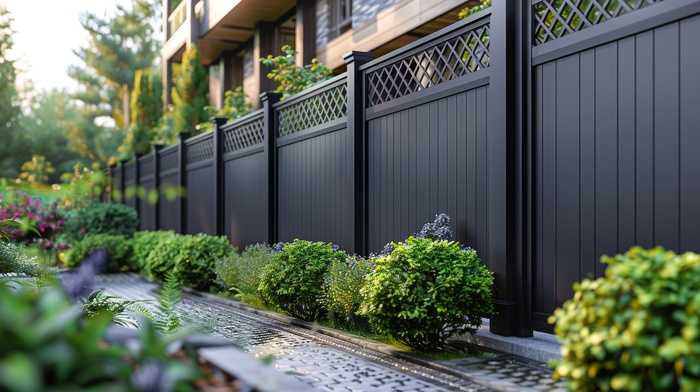
When it comes to installing a new aluminum fence, height is one of the most important decisions you’ll make. The right height not only affects your property’s curb appeal but also determines how well your fence meets its intended purpose—whether it’s for security, privacy, safety, or aesthetics. While aluminum fencing is known for its durability and elegant look, choosing the proper height requires balancing functionality, local regulations, and style preferences.
If you’re also comparing other fencing options like a PVC fence, understanding the key factors behind fence height selection can help you make the best decision for your home or business.
1. Consider Your Fence’s Purpose
The height of your aluminum fence should reflect why you’re installing it in the first place.
- Security: For deterring trespassers or keeping your property safe, aluminum fences in the 6–8-foot range are most effective. Taller fences make it harder for intruders to climb over, especially if you choose designs with pointed pickets or spear tops.
- Safety for Pools: If you’re installing an aluminum fence around a swimming pool, most building codes require a height of at least 4 feet, with self-closing and self-latching gates. Always check local pool safety regulations before choosing a height.
- Pet or Child Containment: A 4–5-foot fence is usually enough to keep dogs and children safely inside your yard, though larger and more athletic breeds may require a taller height.
- Aesthetic Appeal: For purely decorative purposes, shorter aluminum fences around 3–4 feet can beautifully define property boundaries without obstructing the view.
2. Understand Local Zoning and HOA Regulations
Before you invest in materials or hire an installer, research local zoning laws and homeowner association (HOA) rules. Many municipalities have height restrictions, especially for front yard fences, where heights are often capped at 3–4 feet for visibility and safety.
In the backyard, you may be allowed to go taller—sometimes up to 8 feet—depending on your location. Ignoring these rules could lead to fines or being forced to modify your fence later.
3. Balance Privacy vs. Openness
While aluminum fences are often more open in design than a PVC fence, which provides full privacy panels, you can still achieve a balance between openness and coverage by adjusting the height and picket spacing.
- For Privacy Needs: If privacy is your main goal, aluminum may be combined with decorative panels or landscaping to create a more secluded feel. Alternatively, a PVC fence can be an ideal choice for complete visual blockage.
- For Open Views: A shorter aluminum fence allows better visibility, making it perfect for showcasing gardens or landscapes while still defining boundaries.
4. Match Height to Property Layout
Your property’s terrain and design can influence the ideal fence height.
- Sloped Yards: If your yard has significant elevation changes, you may need varying fence heights or stepped sections to maintain consistent appearance and function.
- Proximity to Neighbors: Taller fences work well for backyards that share boundaries with multiple properties, while lower heights are more welcoming for front yards or open spaces.
5. Factor in Maintenance and Longevity
Aluminum fencing is low-maintenance and resistant to rust, which means it will maintain its appearance and height over the years without warping or rotting. This is a big advantage over wood fencing, which can sag over time, altering its functional height.
Similarly, a PVC fence offers excellent durability and requires minimal upkeep, but it’s heavier and typically used for solid-panel designs. Deciding between aluminum and PVC should depend on whether you prioritize an open, elegant look or complete privacy.
6. Think About Resale Value and Neighborhood Aesthetics
Choosing a fence height that complements your home’s architecture and fits the neighborhood’s overall style can enhance your property’s resale value. An oversized fence might seem imposing to potential buyers, while one that’s too short may not convey enough security.
Aluminum fences offer timeless appeal, especially in traditional black or bronze finishes. Matching height with surrounding homes keeps the aesthetic cohesive and appealing.
7. Test Before You Commit
If you’re uncertain about which height feels right, consider marking the proposed fence line with temporary stakes and string at various heights. This visual test can help you see how the fence will impact your view and curb appeal before you commit.
It’s also wise to discuss options with your fence installer, as they can offer guidance based on years of experience and local preferences.
Conclusion
Selecting the right height for your aluminum fence is about more than just looks—it’s a decision that impacts safety, privacy, security, and property value. Start by clarifying your fence’s purpose, review local regulations, and balance openness with privacy needs.
While an aluminum fence delivers strength, style, and low maintenance, a PVC fence may be the better choice if you need maximum privacy and a solid barrier. Ultimately, choosing the right height ensures your fence not only enhances your property today but continues to serve its purpose for years to come.